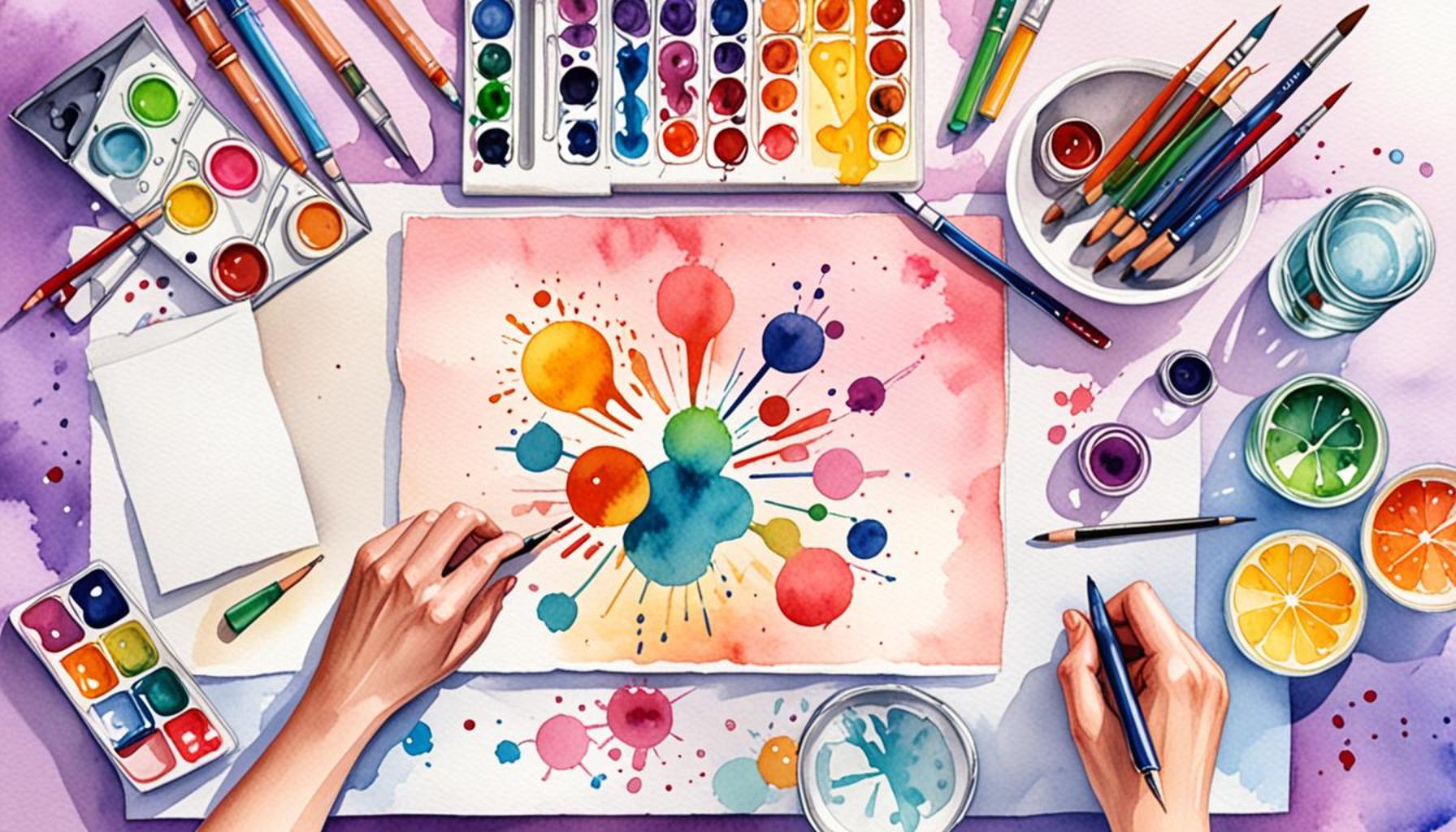
Visual and Kinesthetic Learning Techniques: Engaging Different Senses in Skill Practice

Unlocking the Power of Learning Styles
In an era where diverse educational methods abound, understanding how we learn has never been more crucial. Different individuals absorb and retain information using various senses, primarily through visual and kinesthetic techniques. These unique approaches not only enhance comprehension but also foster a deeper engagement with the material.
What Are Visual and Kinesthetic Learning Techniques?
Visual learning techniques cater to those who benefit from viewing information. For instance, graphic organizers, such as mind maps, allow learners to visually dissect and categorize complex information, promoting better understanding through structure. This method is particularly effective in fields like science and mathematics, where relationships between concepts can be intricate.
Another vital component of visual learning is the incorporation of videos and animations. These tools can bring abstract ideas to life, making them more relatable and easier to grasp. For example, a biology teacher might use an animation to illustrate the process of cell division, allowing students to witness dynamic changes rather than merely reading about them.
Infographics play a significant role as well, summarizing data visually. In a world overloaded with information, an effective infographic can condense complex statistics into digestible visuals, capturing the learner’s attention and facilitating quicker comprehension.
In contrast, kinesthetic learners thrive in hands-on environments where they can engage physically. Activities such as role-playing enable learners to simulate real-life situations, like practicing negotiation skills in a business course. This not only enhances understanding but also builds confidence in the application of knowledge.
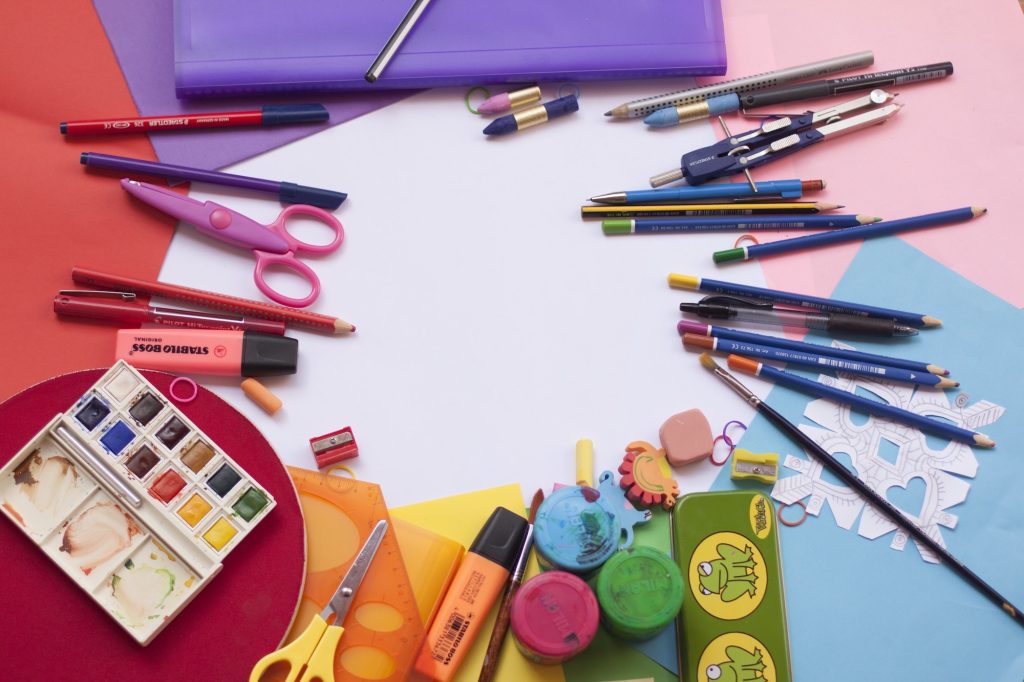
The use of manipulatives, such as building blocks in a classroom, allows students to physically interact with concepts, bridging the gap between theoretical learning and real-world applications. For instance, when teaching basic math principles, educators might use counting blocks to help students visualize addition and subtraction.
Interactive activities that require movement and tactile experiences can significantly enhance learning by keeping students engaged. Think of science experiments where students mix chemicals to observe reactions; the hands-on involvement cements knowledge far more effectively than rote memorization.
Why Engage Multiple Senses?
Utilizing these techniques not only enhances retention but also makes learning more enjoyable. Engaging multiple senses helps to improve memory and recall, as the interplay of visual and kinesthetic methods creates a more robust neural framework for information storage. When learners can see, touch, and interact with content, it becomes embedded in their memories more effectively.
Moreover, this multi-sensory approach can reduce anxiety in learning environments. Many students experience stress when faced with traditional lecture formats; however, incorporating movement and visual elements can create a more relaxed atmosphere, encouraging participation and exploration.
Finally, these techniques foster critical thinking and problem-solving skills by encouraging learners to manipulate and engage with materials actively. As students encounter challenges through hands-on activities, they learn to adapt and think on their feet, developing essential skills that extend beyond the classroom.
By exploring visual and kinesthetic learning techniques, educators and learners can unlock new pathways to success. The journey into these engaging methods promises a richer, more effective learning experience that resonates with every individual, paving the way for a future where education is both dynamic and inclusive.
DISCOVER MORE: Click here to learn about integrating technology in self-skill assessment
Exploring Effective Visual Learning Strategies
Visual learning techniques have gained considerable traction in educational settings, catering to students who thrive on graphical representations and imagery. These methods tap into the brain’s natural affinity for processing visuals, making information more accessible and memorable. Below are some effective strategies that can be employed to enhance visual learning:
- Charts and Diagrams: Utilizing charts and diagrams can break down complex subjects into manageable visual snippets. Take history lessons, for example, where timelines can help students visualize key events and their significance over time.
- Color-Coded Notes: Encouraging learners to create color-coded notes not only organizes information but also aids in memorization. Different colors can represent different categories or themes, making it easier for students to recall associated ideas during exams.
- Visual Storytelling: Incorporating visual storytelling techniques can create narratives that resonate with learners. For instance, using comic strips to illustrate a scientific concept allows students to relate to the material on a personal level.
Furthermore, technology plays a pivotal role in enriching visual learning experiences. Digital platforms often provide opportunities for students to create and share multimedia presentations, marrying text, images, and videos in a cohesive manner. Tools like Canva and Prezi offer creative avenues for students to express their understanding through visually engaging projects.
Embracing Kinesthetic Learning Opportunities
On the other end of the spectrum, kinesthetic learning techniques emphasize the value of movement and hands-on activity. This learning style is grounded in the principle that physical engagement enhances cognitive processing. Here are several ways educators can implement kinesthetic learning strategies:
- Experiential Learning Projects: Encouraging students to engage in projects that require them to build, create, or act out concepts can be effective. For instance, a physics class might involve students constructing simple machines, allowing them to apply their theoretical knowledge in a practical setting.
- Field Trips: Utilizing real-world experiences through field trips allows learners to connect classroom lessons with the outside world. Visiting a local museum or workshop can transform abstract ideas into concrete learning experiences that resonate more deeply.
- Body Movement Games: Incorporating games that require movement can energize the learning environment. Activities like scavenger hunts or role-playing scenarios not only make learning enjoyable but also reinforce the material through active participation.
A study published in the journal Educational Psychology suggests that learners who engage physically with the material are more likely to develop a deeper understanding and retention of concepts. This is especially important in an age where formal education is often criticized for its rigidity and lack of engagement. By recognizing the invaluable connection between physical activity and effective learning, educators can cultivate more dynamic classroom experiences that cater to diverse learning styles.
In summary, the integration of visual and kinesthetic learning techniques presents a comprehensive approach to education. By embracing these strategies, educators can create more inclusive environments that not only accommodate different preferences but also capitalize on the full spectrum of human sensory experience.
| Learning Techniques | Advantages |
|---|---|
| Visual Learning Techniques | Engages sight to improve retention. Utilizing diagrams, chart mapping, and visual aids allows learners to grasp complex concepts more efficiently. |
| Kinesthetic Learning Techniques | Enhances muscle memory through active participation. Hands-on activities such as simulations and role-playing help learners to internalize knowledge by doing, making skills more approachable and relatable. |
Integrating visual and kinesthetic learning techniques serves to address the diverse sensory needs of students, optimizing their engagement and skill assimilation. Visual aids like infographics can revitalize learning environments by making information accessible and dynamic. Similarly, kinesthetic approaches foster an energetic atmosphere, encouraging students to learn by engaging in practical exercises that solidify theoretical knowledge. These methods not only enhance understanding but also increase motivation, which is essential in any learning journey. Moreover, combining these approaches can lead to greater enthusiasm for complex subjects and tasks, driving long-term success in skill mastery. The focus on effective learning strategies reminds us that education is not a one-size-fits-all experience, and recognizing different learning styles is crucial for every educator and learner alike.
DISCOVER MORE: Click here to learn how your mindset affects success
Integrating Visual and Kinesthetic Approaches in Skill Development
As educators nationwide seek to enrich curricula, the merging of visual and kinesthetic learning techniques can create a potent synergy that maximizes student engagement and understanding. This blend not only captures different sensory modalities but also fosters an environment where diverse learners can thrive. Let’s explore how integrating these techniques can revolutionize skill practice:
- Interactive Workshops: Hosting interactive workshops that combine visual aids with hands-on activities can cultivate an enriching learning atmosphere. For example, in a culinary class, students could watch a cooking demonstration while simultaneously practicing the techniques demonstrated. This dual engagement enhances their grasp of both visual steps and the tactile experience of cooking.
- Visual Aids in Simulations: In professions such as nursing or engineering, incorporating visual aids into simulations can elevate the training experience. Visual learners benefit from step-by-step diagrams while kinesthetic learners can engage by participating in the simulation itself, thus ensuring all students benefit from the practical application of theories.
- Project-Based Learning: Implementing project-based learning that requires students to visually plan and materially execute projects can be highly effective. For instance, students in a biology class might create a visual poster that outlines their research findings while simultaneously building a model to represent their data. This approach reinforces concepts through visual representation and hands-on manipulation.
- Multisensory Learning Centers: Establishing multisensory learning centers fosters environments where both visual and kinesthetic strategies can coexist. Classrooms equipped with varied resources—like instructional videos, colorful charts, physical objects, and interactive activities—allow students to navigate their learning paths more freely, accommodating their preferred learning methods.
Research indicates that students engaged in multisensory learning environments have a higher retention rate. A study showcased in the Journal of Educational Research noted that integrating different learning styles increased participant engagement by an average of 30%. This kind of dynamic learning fosters an atmosphere where students feel valued and understood, directly contributing to academic success.
Furthermore, integrating visual and kinesthetic techniques paves the way for lifelong skills. For example, in vocational training programs, students who engage in both observing tasks visually and practicing them physically are reported to be more proficient in their trades. This is crucial in a job market that increasingly values hands-on experience alongside theoretical knowledge.
Another area of potential lies in the realm of technology-enhanced education. Online platforms and educational software now offer tools that support both visual and kinesthetic learners through interactive content, gamified learning experiences, and virtual simulations. Teachers can leverage these digital resources to create customized learning experiences that engage diverse students. By utilizing a combination of virtual reality for simulated practice and engaging diagrams, educators draw in both types of learners.
As more educational institutions understand the necessity of catering to varied learning styles, the integration of visual and kinesthetic techniques can redefine skill practice across disciplines. By harnessing the power of these two approaches, educators not only enhance comprehension but also create a vibrant learning community that emphasizes the importance of engaging different senses.
DISCOVER MORE: Click here to learn effective strategies
Conclusion
In today’s diverse educational landscape, the convergence of visual and kinesthetic learning techniques is not just a trend but a necessary evolution in skill practice. By addressing multiple sensory modalities, educators can create a more inclusive and dynamic learning environment that resonates with every student. The integration of interactive workshops, realistic simulations, and project-based activities exemplifies how these approaches can lead to deeper understanding and better retention of concepts. For instance, students exposed to both visual representations and tactile experiences tend to achieve higher proficiency in their respective fields, proving that engagement is paramount to learning.
Moreover, as technology continues to transform education, the opportunities for integrating visual and kinesthetic methods are boundless. Platforms that provide gamified activities or virtual simulations cater effectively to diverse learning styles, breaking down conventional barriers and enhancing educational outcomes. As institutions across the United States embrace this multifaceted approach, they not only enrich the learning experience but also equip students with essential skills for an ever-evolving job market.
Ultimately, the commitment to fostering an environment that values multisensory learning can lead to not only academic success but also personal growth, encouraging lifelong curiosity and skill development. As educators and students embark on this journey together, the impactful results of merging visual and kinesthetic techniques may unveil an entirely new paradigm for effective learning. Moving forward, a focus on these integrative methods can pave the way for a brighter educational future.