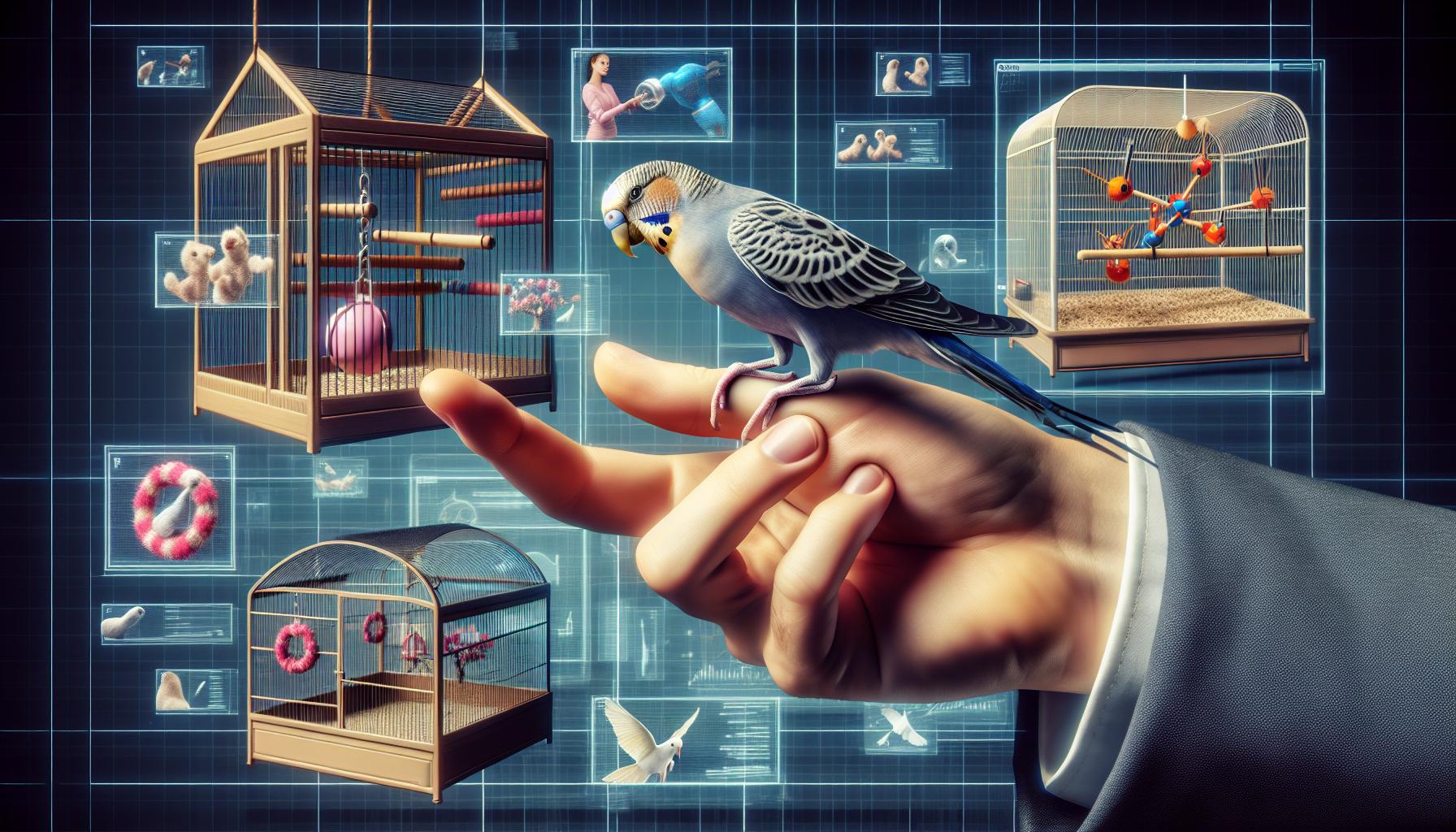
The Role of Environmental Enrichment in the Training of Domestic Animals

Understanding Environmental Enrichment
In the realm of training domestic animals, the paradigm of environmental enrichment serves as a cornerstone, significantly affecting their overall well-being. This innovative approach is designed to mimic the challenges and stimuli that animals would naturally encounter in the wild, thereby encouraging behaviors that contribute to their mental and physical vitality. This not only enhances their learning experiences but also increases their enthusiasm and engagement during training sessions.
What is Environmental Enrichment?
Environmental enrichment is a multifaceted concept that entails upgrading the habitats of domestic animals to foster their physical and psychological health. The enhancements can be categorized into several key components:
- Interactive toys: These are designed to engage pet intellect, providing puzzles that encourage problem-solving. For instance, treat-dispensing toys challenge pets to figure out how to access their rewards, stimulating both their minds and senses.
- Varied routines: Changing the daily schedule of walks, playtime, and feeding not only prevents monotony but also stirs curiosity in pets. For example, taking a different route during walks can expose dogs to new sights, sounds, and smells, keeping their environment dynamic.
- Social interactions: Regular play dates with other pets or structured games with humans can enhance companionship and reduce feelings of isolation, particularly for social species like dogs and cats. Engaging in activities like hide-and-seek or fetch not only promotes bonding but also contributes to their physical fitness.
Together, these elements create a rich tapestry of experiences that facilitate effective training. Numerous studies demonstrate the positive effects of such environments across various species, including dogs, cats, birds, and even small mammals like rabbits and guinea pigs.
The Benefits of a Stimulating Environment
Integrating enrichment strategies into training processes can yield a multitude of benefits for both pets and their owners:
- Improved behavior: Enrichment strategies have been shown to mitigate behaviors such as anxiety and aggression, which can arise from boredom or lack of stimulation. An example is a dog that exhibits destructive chewing when left alone; providing interactive toys can redirect this behavior positively.
- Enhanced learning capabilities: Animals exposed to enriched environments often display greater motivation and responsiveness during training. Engaging them in activities that promote critical thinking not only hones their skills but makes learning an enjoyable experience.
- Stronger bonds: The establishment of deeper connections between pets and owners leads to a more harmonious household. For instance, spending time engaging in fun activities such as obstacle courses or agility training can build trust and camaraderie.
The increasing body of research highlighting the importance of environmental enrichment reinforces its fundamental role in animal training. By fostering a stimulating and engaging atmosphere, pet owners can significantly enhance the lives of their four-legged companions while simultaneously reshaping how we experience life together. Advocates for animal welfare continue to champion the significance of this approach, ensuring that every pet receives the quality of life it deserves.
DISCOVER MORE: Click here for effective training techniques
The Impact of Environmental Enrichment on Training Outcomes
Environmental enrichment goes beyond mere indulgence; it plays a crucial role in enhancing the training outcomes for domestic animals. The concept emphasizes the importance of providing animals with opportunities to engage with their surroundings, thus allowing them to utilize their natural instincts and cognitive abilities. This approach not only encourages effective learning but also supports behaviors that contribute to the overall well-being of the animal.
Key Aspects of Training Enhanced by Environmental Enrichment
Integrating environmental enrichment into training methods can profoundly influence various dimensions of an animal’s learning experience. Consider the following aspects:
- Engagement and Motivation: When animals are exposed to an enriched environment, their curiosity is piqued. For example, a dog allowed to explore different scents and sounds during training is more likely to remain focused and interested. This elevated level of engagement makes training sessions not only more productive but also enjoyable for the animal.
- Cognitive Development: Environmental enrichment often includes problem-solving tasks that challenge animals mentally. A cat, for instance, tasked with navigating a maze or uncovering hidden treats develops essential reasoning skills. By stimulating cognitive functions, owners can maximize their pets’ learning potential and ability to grasp new commands.
- Physical Activity: Standard training can sometimes lack physical stimulation. Incorporating elements of play—such as agility courses or fetch games—into the training regimen can encourage exercise, addressing both physical and mental health. This dual focus can lead to improved training results and healthier pets.
- Reduction of Stress: Traditional training methods can sometimes be stressful for animals. Enrichment strategies that promote exploration and interaction can help alleviate anxiety. For instance, a nervous dog may thrive in a calming yet engaging environment, allowing it to learn commands in a more relaxed state.
The interconnection between environmental enrichment and successful training can’t be overstated. By understanding and applying these aspects, caregivers can create a comprehensive training plan that aligns with the instinctual behaviors of domestic animals. Furthermore, the role of enrichment extends beyond mere training; it fosters a lifestyle of continuous learning and adaptation, shaping animals into well-rounded companions.
Moreover, as the trend toward more humane and engaging training environments grows, experts and trainers are increasingly championing the methods that prioritize enrichment. The continued exploration of these tactics could reshape the landscape of animal training, revealing new methods to strengthen the bond between pets and their owners. In this evolving field, the principles of environmental enrichment serve as not just a tool for training, but as a philosophy for nurturing the fantastic potential of our domestic companions.
The Importance of Environmental Enrichment
Environmental enrichment plays a crucial role in the training of domestic animals, enhancing both their physical and psychological well-being. Animals, particularly those in captivity, often face challenges such as boredom and stress, which can hinder their learning capabilities. By introducing various forms of enrichment, such as toys, puzzles, and social interactions, we can significantly improve their quality of life and learning outcomes.
Types of Environmental Enrichment
There are several types of environmental enrichment that can be utilized in training domestic animals:1. Physical Enrichment: This includes structures like climbing frames or hiding places that encourage natural behavior. These physical activities not only keep animals engaged but also improve their physical health.2. Sensory Enrichment: Incorporating different scents, sounds, and textures into an animal’s environment can stimulate their senses, leading to increased curiosity and explorative behavior. This is particularly beneficial for animals like dogs and cats, who rely heavily on their sense of smell for learning.3. Social Enrichment: Interaction with other animals or humans can enhance social skills and provide emotional stimulation. Group training sessions or play dates with other domestic animals can foster better learning and improve behavior.4. Cognitive Enrichment: Using food puzzles or training games that require problem-solving can greatly enhance an animal’s cognitive abilities. This method not only stimulates their mind but also makes training sessions more enjoyable.
Benefits of Environmental Enrichment in Training
The incorporation of environmental enrichment into training routines has several advantages:- Enhanced Learning: Animals that engage in enriched environments tend to show improved learning and retention of skills. This is due to the increase in motivation and engagement stimulated by the enriched settings.- Reduction in Behavioral Problems: Boredom and lack of stimulation are leading causes of behavioral issues in domestic animals. By providing varied and engaging environments, pet owners can mitigate problems such as excessive barking or destructive behavior.- Strengthened Human-Animal Bond: Training enriched by positive interactions and engaging activities fosters a stronger bond between pets and their owners. This not only makes training sessions more effective but also enhances the overall relationship.Incorporating environmental enrichment into your domestic animal training regimen is not just beneficial; it is essential for fostering well-rounded and happy pets. As awareness grows regarding the importance of this concept, more pet owners and trainers are beginning to integrate enrichment strategies into their routines, paving the way for healthier and more fulfilling lives for domestic animals.
| Category | Description |
|---|---|
| Physical Enrichment | Structures like climbing frames that encourage exercise and natural behaviors. |
| Cognitive Enrichment | Food puzzles and training games that enhance problem-solving skills. |
| Social Enrichment | Interactions with other animals or humans to improve social skills. |
| Sensory Enrichment | Stimulation through diverse scents, sounds, and textures to pique curiosity. |
As the dynamics of pet ownership evolve, understanding and implementing these enrichment strategies will lead to richer, more rewarding training experiences for both animals and their owners.
DISCOVER MORE: Click here for insights on pet health
Benefits of Environmental Enrichment Beyond Training
While the immediate impact of environmental enrichment on training is clear, its benefits extend far beyond the confines of command reinforcement and skill acquisition. By creating a stimulating and interactive environment, caregivers not only foster faster learning but also contribute to a richer, more fulfilling life for domestic animals. Here are several ways in which environmental enrichment can enhance not just the training process, but the overall quality of life for pets.
Improved Behavioral Outcomes
Environmental enrichment helps mitigate undesirable behaviors commonly seen in domesticated animals. Boredom and lack of stimulation can lead to anxiety, destructive tendencies, and aggression. By integrating enrichment activities into daily routines, owners can redirect energy towards more positive behaviors. For instance, providing puzzle feeders for dogs can keep them mentally stimulated during meal times, reducing tendencies to chew on furniture or bark excessively out of boredom.
Socialization Skills
For domestic animals, especially dogs, social interaction is paramount. Enrichment opportunities can be designed to promote positive social behaviors. For example, dog parks that offer engaging play equipment and social group activities provide an avenue for dogs to learn crucial social cues while interacting with other breeds and temperaments. This engagement not only builds confidence but also teaches dogs how to interact appropriately, leading to better companions.
Tailored Enrichment Solutions
Different species and breeds require customized approaches to enrichment. For instance, while birds benefit from foraging challenges and toys that stimulate flight and fluttering, felines may enjoy climbing structures that mimic their arboreal instincts. Acknowledging these unique needs can amplify the positive effects of environmental enrichment on training. Training with the inclusion of species-specific enrichments not only respects a pet’s natural behaviors but also deepens the human-animal bond, facilitating a more harmonious household.
Long-Term Health Benefits
The implications of environmental enrichment go beyond behavioral modifications; they also have profound effects on physical health. Engaging pets in activity-rich environments can combat obesity, which is a growing concern, particularly among domestic animals in the United States. A study published in the Journal of Veterinary Internal Medicine found a significant decline in obesity rates among dogs participating in agility training and enrichment activities, illustrating how physical engagement is critical to long-term health.
Innovative Training Techniques
As trainers and animal behaviorists explore environmental enrichment, new and exciting training methodologies emerge. Techniques such as clicker training often integrate enrichment elements to reinforce behavior effectively. This method not only teaches animals commands but also allows trainers to incorporate fun, rewarding experiences that solidify learning through play. Innovative ideas like scent work or trick training can make sessions enjoyable while enhancing mental faculties, cementing the connection between enrichment and successful training outcomes.
As awareness of the critical role of enrichment in the lives of domestic animals grows, it suggests a need for continued investment in research and development of strategies that prioritize these practices. Whether through community workshops or resources for pet owners, promoting environmental enrichment offers immense potential for improving the quality of life and training efficacy for domestic animals across the United States.
DIVE DEEPER: Click here to learn more
Conclusion: A Holistic Approach to Animal Well-Being
In summary, the integration of environmental enrichment into the training of domestic animals emerges as a fundamental pillar in promoting not only effective learning but also enhanced overall well-being. When caregivers prioritize enriching environments, they foster a holistic approach that encompasses mental, emotional, and physical health for their pets. The evidence illustrates that enriched settings yield improved behavioral outcomes, sharpen socialization skills, and pave the way for tailored solutions that meet the unique needs of different species and breeds.
The long-term health benefits derived from engaging pets in varied activities cannot be overstated, particularly in combating the rising obesity crisis among domestic animals in the United States. Furthermore, the innovative training techniques that arise from environmental enrichment practices cultivate a deeper bond between humans and their animals, enriching relationships that lead to happier and healthier companions.
As pet owners and trainers embrace the principles of environmental enrichment, the scope for cultivating a fulfilling life for domestic animals expands dramatically. It is crucial for communities and educators to disseminate knowledge on incorporating these practices into everyday routines, thereby enhancing training efficacy and setting the stage for sustainable animal welfare. Embracing these enriching strategies is not just a choice; it is a commitment to the quality of life for every domestic animal, leading society towards a brighter, more compassionate future for our beloved companions.