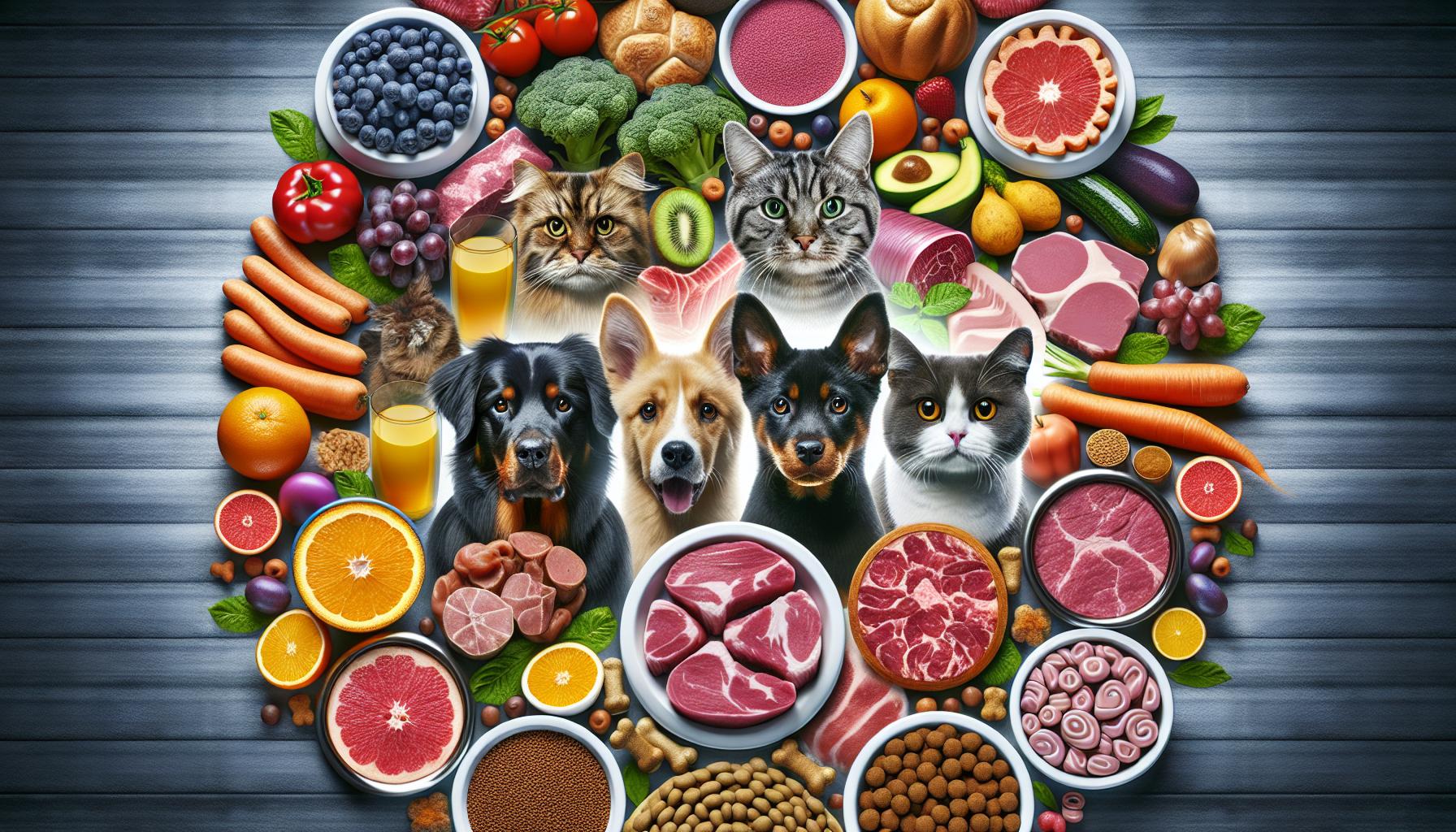
The importance of balanced nutrition for the long-term health of pets
The Vital Role of Nutrition in Pet Health
The well-being of our furry companions is intricately tied to the quality of food we offer them. Balanced nutrition is more than just a trendy topic among pet owners; it is a crucial element that forms the backbone of your pet’s health, influencing everything from their energy levels to their susceptibility to diseases. Inadequate or improper diets can lead to a range of health issues, including obesity, diabetes, and cardiovascular diseases, which significantly diminish their quality of life.
Pet food quality can vary dramatically across brands and types, making it paramount for pet owners to understand what they are feeding their animals. One of the first steps in assessing pet food is to look closely at the:
- Ingredients Matter: Premium pet foods contain high-quality proteins such as chicken, beef, or fish as their primary ingredients. These proteins are essential for muscle repair and immune health. Additionally, incorporating fruits like blueberries or vegetables such as spinach can provide vital vitamins and antioxidants that support overall vitality.
- Avoid Fillers: Ingredients like corn, soy, and wheat, often found in lower-quality pet foods, serve as cheap fillers that offer minimal nutritional benefits. They can lead to allergies or digestive issues and don’t contribute significantly to a pet’s health.
- Life Stage Nutrition: Puppies and kittens have unique dietary needs compared to adult and senior pets. For instance, growing animals require higher levels of protein and certain fats to promote healthy growth, while senior pets may benefit from lower-calorie diets with special nutrition to maintain joint health.
Providing your pet with a balanced diet can pave the way for a variety of health benefits, including:
- Improved Longevity: Numerous studies suggest that a well-structured diet can extend the lifespan of pets—in some cases, by several years. This is particularly significant in the United States, where the average lifespan of pets has been on an uptick due to better awareness and practices around pet nutrition.
- Enhanced Energy Levels: Just as we fuel our own bodies to maintain energy, a nutritious diet contributes to increased vitality in pets. Ingredients rich in omega-3 fatty acids, for example, can support brain health and optimize energy throughout the day.
- Better Weight Management: A balanced diet assists in maintaining a healthy weight, an essential factor in preventing obesity. This is particularly relevant given that approximately 56% of dogs and 60% of cats in the U.S. are classified as overweight or obese, leading to complications like arthritis and diabetes.
In essence, understanding the tenets of balanced nutrition equips pet owners with the information needed to make informed decisions regarding their beloved companions’ diets. By prioritizing nutritional balance, we actively contribute to enhancing the lifespan and quality of life for our pets, ensuring that they remain our joyful companions for many years to come. For those keen on digging deeper into the specifics of pet nutrition, consulting with a veterinarian or a certified pet nutritionist can provide invaluable insights tailored to your pet’s individual needs.
LEARN MORE: Click here for essential pet adoption insights</p
The Foundations of Balanced Nutrition for Pets
Understanding the significance of balanced nutrition goes beyond finding the right dog or cat food at the local store; it entails navigating the complex maze of dietary needs that pets require for optimal health. Pets, much like humans, thrive on diets rich in essential nutrients, which play critical roles in their overall growth, health, and longevity. When meeting the nutritional needs of our pets, pet owners must look closely at the right proportions of proteins, carbohydrates, fats, vitamins, and minerals that cater to individual breeds and life stages.
One of the essential components of a balanced diet is protein. Proteins are the building blocks of life and serve functions beyond simple muscle development; they also support the immune system, promote skin and coat health, and contribute to the production of enzymes and hormones. Adult dogs generally require around 18-25% protein, while cats, being obligate carnivores, typically need a diet with at least 26-30% protein to thrive. Failing to provide adequate protein can lead to muscle wasting, compromised immunity, and other detrimental health effects.
Another important element of balanced nutrition is the incorporation of healthy fats. These fatty acids not only provide energy but are also essential for brain function, hormone production, and maintaining healthy skin and coat. Omega-3 and Omega-6 fatty acids, commonly found in fish oil and flaxseed, are particularly beneficial and can help reduce inflammation, boost heart health, and enhance cognitive function. Including a proper ratio of fats is essential, as too little can lead to poor coat quality, while too much can contribute to obesity.
Furthermore, the role of carbohydrates in pet nutrition is often misunderstood. While pets are primarily carnivorous, carbohydrates provide necessary fiber, which can aid in digestion and promote gut health. Choose sources of complex carbohydrates, such as brown rice, sweet potatoes, and peas, which offer sustained energy without the rapid spikes associated with simple sugars. A balanced diet should include a controlled proportion of carbohydrates, ensuring that your pet remains energetic while avoiding excessive weight gain.
Moreover, vitamins and minerals are crucial for countless bodily functions, including bone health, immune response, and cellular repair. It’s vital to ensure that your pet’s diet includes essential micronutrients to prevent deficiencies that could lead to health complications. Many commercial pet foods are formulated to meet the AAFCO (Association of American Feed Control Officials) guidelines, so looking for products that meet these standards can help simplify the selection process.
In summary, providing a balanced diet is pivotal for the long-term well-being of pets. By ensuring they receive an appropriate mix of proteins, fats, carbohydrates, vitamins, and minerals, pet owners can contribute significantly to their pets’ health and happiness. Remember, each pet’s needs may vary, so consulting with a veterinarian to create an individualized nutrition plan can help tailor a diet specific to their unique requirements.
The Advantages of Balanced Nutrition for Pets
Balanced nutrition is not merely a trend; it is an essential component of pet health that sets the foundation for their overall well-being. For pet owners, understanding the specific benefits of balanced diets can lead to better decisions regarding pet food choices, thereby improving the quality and longevity of their furry companions’ lives.
| Category | Benefits |
|---|---|
| Improved Immune Function | A balanced diet strengthens the immune system, making pets less susceptible to infections and diseases. |
| Weight Management | Proper nutrition helps in maintaining a healthy weight, reducing the risk of obesity-related issues such as diabetes and heart disease. |
Additionally, a well-rounded diet enhances energy levels and mobility, which are crucial as pets age. Owners need to be aware that not all pet foods provide the necessary nutrients to promote such vital health benefits. It is advised to consult a veterinarian to customize diets specifically to the imbalances often found in commercially available pet foods.
Choosing a well-formulated pet diet can contribute to a longer, healthier life for the beloved pets, offering unparalleled peace of mind to their caretakers. Understanding the impact of nutrition on longevity can ignite a pet owner’s commitment to researching and providing the best dietary solutions available.
DISCOVER MORE: Click here to learn how to choose functional foods for your pets
Understanding the Consequences of Imbalanced Nutrition
While it may seem simple, the implications of imbalanced nutrition can have profound effects on a pet’s long-term health. When pets consume diets lacking in essential nutrients, the risks of developing various health issues and chronic conditions increase significantly. For instance, a common issue among dogs is obesity, which can arise from excessive intake of calories coupled with inadequate balanced nutrition. In fact, according to reports from the Association for Pet Obesity Prevention, approximately 56% of pets in the United States are classified as overweight or obese. This not only shortens their lifespan but also raises the likelihood of joint problems, diabetes, and cardiovascular disease.
Furthermore, deficiencies in critical vitamins and minerals can lead to serious health complications. For example, a lack of calcium can result in skeletal deformities in young pets, while insufficient amounts of Vitamin A can lead to vision problems and a weakened immune system. Cats, in particular, require specific nutrients like taurine, an amino acid that is essential for heart health. Without it, they are at a heightened risk for serious conditions like dilated cardiomyopathy. Therefore, recognizing and understanding such nutrient-specific requirements is crucial to shield pets from these health risks.
The Role of Age and Lifestyle
Another factor that plays a significant role in achieving balanced nutrition is a pet’s age and lifestyle. Puppies and kittens have different dietary needs compared to adult or senior pets. For instance, growing puppies need a higher caloric intake and more proteins to support their rapid growth. Conversely, senior pets often require calorie controls and additional fiber to assist with digestion due to decreased metabolic rates. Not catering to these changes can result in growth issues in younger pets or obesity and degenerative diseases in older animals.
Moreover, a pet’s environment and activity level must inform their dietary decisions. Active dogs, especially working or sporting breeds, demand more energy and nutrients compared to those with a sedentary lifestyle. Meanwhile, indoor cats might require specialized diets that alleviate weight gain while still providing essential nutrients to maintain overall health. Understanding these variables ensures that pet owners can formulate a balanced diet that is tailored to the specific needs of their furry companions.
The Influence of Pet Food Selection
The pet food market is flooded with options, making the selection process daunting for pet owners. Many brands tout their products as “complete” or “balanced,” yet the truth of the matter lies in examining ingredients and nutrient profiles. Reading labels is crucial; pet owners should look for high-quality protein sources listed as the first ingredient, avoid fillers like corn and soy, and ensure the absence of artificial preservatives and colors.
Additionally, the rise of raw and homemade diets has introduced new debates in pet nutrition. Although these diets can occasionally provide fresh and wholesome ingredients, they also come with risks, particularly regarding nutritional completeness and food safety. It’s imperative that any homemade or alternative diet undergoes proper veterinary scrutiny and guidance to ensure it meets the necessary standards for long-term pet health.
By broadening their understanding of balanced nutrition and its implications, pet owners can take proactive measures that ensure their companions lead healthy, thriving lives. Whether through suitable commercial diets or tailored homemade options, maintaining a well-rounded nutritional approach presents a vital key to pet wellbeing.
DISCOVER MORE: Click here to keep your pet’s mind active
Conclusion: Striving for Optimal Pet Health Through Balanced Nutrition
In conclusion, the significance of balanced nutrition cannot be overstated when it comes to promoting the long-term health of our beloved pets. As guardians of these cherished companions, it is our responsibility to understand and implement dietary choices that cater to their unique needs. A comprehensive approach that factors in age, activity level, and specific nutritional requirements can drastically reduce the risk of chronic health conditions and ensure a thriving life for our pets.
By prioritizing high-quality ingredients and being vigilant about what our pets consume, we pave the way for enhanced overall wellbeing. The troubling statistics regarding pet obesity and the rise in common related ailments serve as a clarion call for pet owners to be proactive in their nutritional decisions. Moreover, the range of pet food options available today presents both challenges and opportunities; thus, diligent label reading and open discussions with veterinary professionals are essential to navigate this landscape effectively.
Ultimately, investing time and effort into understanding balanced nutrition not only fosters a healthier lifestyle for pets but also cultivates a deeper bond between owner and animal. As we continue to explore and expand our knowledge on this crucial topic, let us commit to making informed choices that ensure our furry friends lead energetic, happy, and fulfilling lives. Embracing balanced nutrition is not merely a trend but a long-term strategy essential for the lifelong health and happiness of pets.