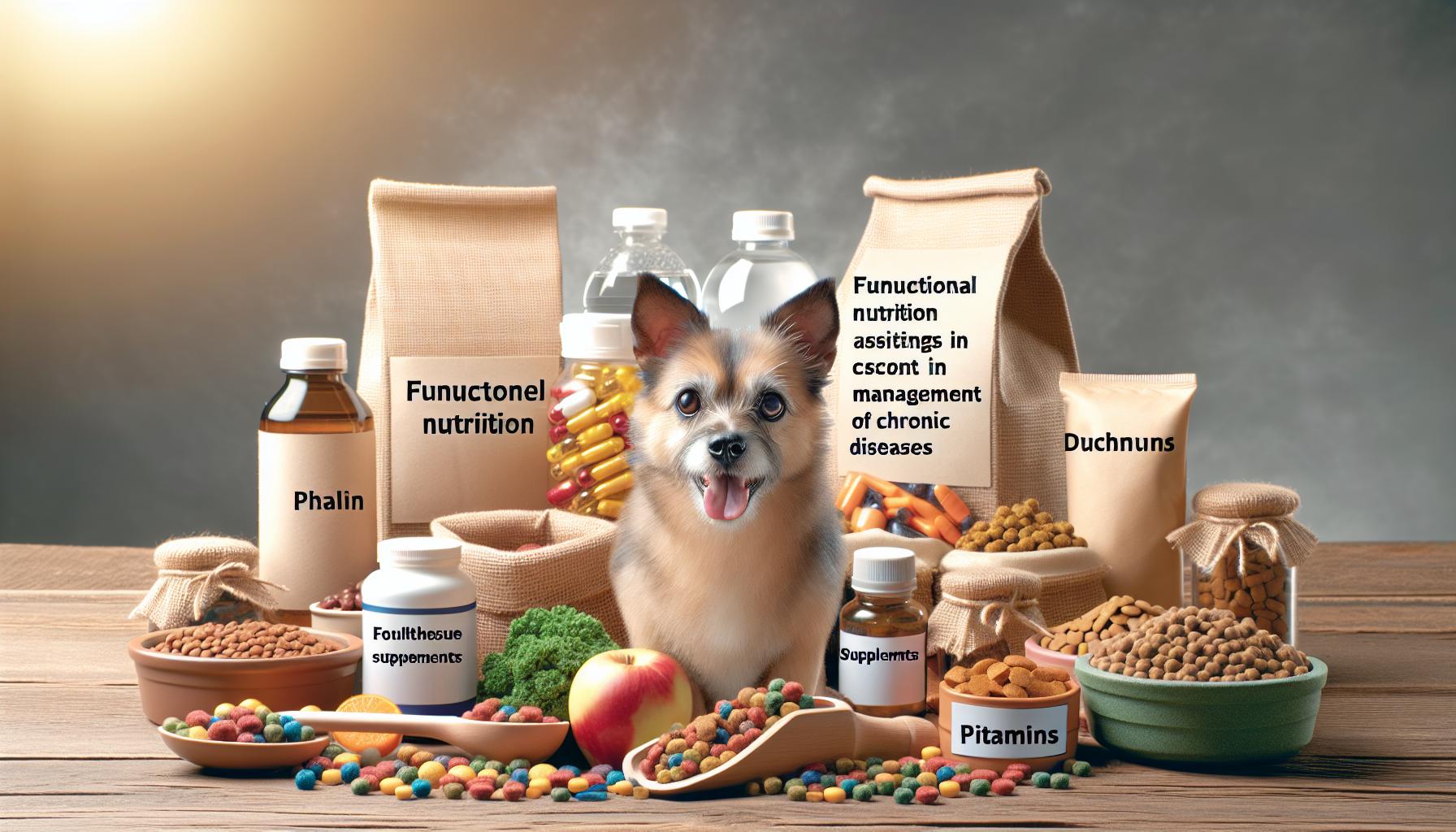
How to Choose Functional Foods that Promote the Well-Being of Pets
Understanding Functional Foods for Pets
Pet owners today are increasingly aware of the impact nutrition has on their furry companions’ health. Choosing the right food goes beyond mere sustenance; it involves selecting functional foods that can enhance the overall well-being of pets. These foods not only provide essential nutrients but also include additional benefits that support various health needs, often acting as preventive measures against common ailments.
What are Functional Foods?
Functional foods are defined as those that offer health benefits beyond basic nutrition. They are designed to improve overall health and may include:
- Probiotics: Support digestive health by promoting a balanced gut microbiome. For instance, when dogs are given probiotic supplements or foods containing these beneficial bacteria, it can help manage gastrointestinal issues and improve stool quality.
- Omega-3 Fatty Acids: Promote a healthy coat and skin by reducing inflammation and supporting cell structure. Fish oils or flaxseed oils are often added to pet food for this reason, encouraging a glossy coat and reducing issues like dry skin or allergies.
- Antioxidants: Help combat aging and chronic diseases by neutralizing harmful free radicals in the body. Ingredients such as blueberries, sweet potatoes, and carrots are commonly used in pet foods for their high antioxidant content.
With so many options available, it can be overwhelming to determine the best choices for your pet. Understanding their specific needs and researching suitable functional foods can lead to better health outcomes. For example, senior dogs might benefit from joint supplements that include glucosamine, while active breeds may require a higher protein content for energy. So, how exactly do you choose the right functional foods?
Key Factors to Consider
When selecting functional foods for your pet, several key factors should be considered:
- Life Stage: Nutritional requirements vary significantly among puppies, adult dogs, and seniors. For example, puppies need more protein and calories to support their growth, while older dogs might require lower calories and higher fiber to help manage weight and digestive health.
- Health Conditions: Certain foods can play a pivotal role in managing health conditions. For instance, pets with food allergies may benefit from a limited-ingredient diet that avoids common allergens, while those with joint issues might find relief from foods fortified with glucosamine and chondroitin.
- Quality of Ingredients: Look for whole, recognizable ingredients to ensure optimal health benefits. This includes avoiding fillers and artificial additives, which can detract from nutritional value and negatively affect your pet’s health.
Diving deep into the world of functional foods will not only unlock a treasure trove of options but can also significantly enhance your pet’s quality of life. For example, integrating a diet rich in functional foods has been linked to improved longevity and vitality in pets. Let’s explore how to make informed choices that promote long-term health and happiness for your beloved pets.
Ultimately, fostering a dialogue with your veterinarian can provide personalized insights tailored to your pet’s individual needs. By making informed decisions about functional foods, you can ensure your furry friend enjoys not only a long life but one filled with vitality and joy.
DISCOVER MORE: Click here to learn about the benefits of natural supplements for your dog’s health
Identifying Your Pet’s Unique Needs
The journey to selecting the right functional foods for your pet begins with a clear understanding of their unique health requirements. Just like humans, pets have different nutritional needs based on several factors, including their age, breed, activity level, and any existing health complications. By identifying these specific needs, pet owners can tailor their food choices to maximize benefits and support the overall well-being of their furry friends.
Assessing Age and Life Stage
From curious puppies to wise senior dogs, a pet’s life stage is a critical factor in determining the appropriate diet. Different ages come with various nutritional demands:
- Puppies: These young, energetic dogs require a diet rich in protein, fat, and essential vitamins and minerals to support their rapid growth and development. Look for foods specifically formulated for puppies, often high in DHA for brain development.
- Adult Dogs: As dogs reach adulthood, their nutritional needs stabilize. At this stage, choosing balanced foods that maintain healthy weight and energy levels is crucial. Functional ingredients like omega-3 fatty acids can be beneficial for joint health during this life stage.
- Senior Dogs: Aging brings changes in metabolism and health conditions, making it necessary to adjust the diet. Foods high in fiber and low in calories can help manage weight, while added glucosamine can support joint mobility effectiveness.
By aligning functional foods with your pet’s life stage, you are setting the foundation for a healthier life. For instance, choosing a product with higher fiber content for a senior dog can facilitate digestion and support gut health, thereby enhancing their overall comfort and vitality.
Considering Health Conditions
Beyond life stage, it is essential to factor in any health conditions your pet may have. Specific dietary changes can provide tremendous benefits in managing various issues:
- Food Allergies: If your pet has been diagnosed with food allergies, exploring limited-ingredient diets is advisable. These diets focus on specific proteins and carbohydrates, helping to alleviate allergy symptoms without compromising nutrition.
- Joint Issues: Pets experiencing joint pain or arthritis may find relief through functional foods enriched with glucosamine and chondroitin. These ingredients can help repair cartilage and reduce inflammation, contributing to a more active lifestyle.
- Digestive Disorders: For pets with sensitive stomachs or digestive issues, incorporating prebiotics and probiotics into their diet can foster a healthier gut microbiome, leading to improved digestion and nutrient absorption.
By addressing these health conditions through dietary choices, you not only manage existing ailments but also support your pet’s overall health and vitality. Working closely with a veterinarian can help you navigate these considerations, allowing for customized dietary plans that best suit your pet’s needs.
Navigating the complex landscape of functional foods can seem daunting, but understanding your pet’s unique requirements will empower you to make informed choices that contribute to a long, healthy, and active life for your beloved companion. The next step involves evaluating the quality of ingredients, opening yet another door to enriching your pet’s diet with functional foods that truly promote their well-being.
| Category | Details |
|---|---|
| Nutritional Value | Selecting foods rich in essential nutrients is crucial for your pet’s health. |
| Ingredient Quality | Choose products with whole ingredients like real meats, fruits, and vegetables. |
| Dietary Needs | Consider your pet’s specific dietary requirements based on age, breed, and health status. |
| Label Transparency | Opt for brands that provide detailed ingredient lists and nutritional information. |
When exploring the landscape of functional foods for pets, it’s vital to approach this selection with an informed perspective. Begin with the nutritional value, as high-quality food should be rich in necessary vitamins and minerals. Furthermore, ingredient quality cannot be overstated; scrutinizing food labels for whole ingredients ensures your pet receives the best possible diet. Dietary needs are also a significant factor; each pet is unique, with individual health concerns that must guide dietary choices. Importantly, label transparency assures you that the food you’re purchasing is suitable and beneficial for your furry friend. Each of these aspects plays a pivotal role in enhancing your pet’s overall well-being and can lead to a long, healthy life. Understanding these categories helps pet owners navigate the market effectively, ensuring the ideal feeding strategy tailored to their beloved companions.
DIVE DEEPER: Click here to learn more
Evaluating the Quality of Ingredients
Once you have a solid grasp of your pet’s unique needs, the next critical step is to evaluate the quality of ingredients in functional foods. Not all pet foods are created equal, and a keen eye on the ingredient list can make all the difference in your pet’s health and well-being. Ingredients not only provide nutritional value but also influence how your pet feels and performs. Therefore, understanding what goes into your pet’s food is vital.
Seeking Out Natural Ingredients
Choosing functional foods that are made with natural ingredients can greatly benefit your pet’s health. Look for brands that prioritize whole foods, such as real meats, vegetables, and grains. For example, a food that lists chicken, sweet potatoes, and spinach at the top of its ingredient list is generally a better option than one that relies heavily on fillers like corn or soy.
Additionally, funds spent on artificial additives, such as flavor enhancers or preservatives, can compromise your pet’s health over time. Instead, opt for food that includes natural preservatives like vitamin E (tocopherols) and rosemary extract. These options don’t just aim to prolong shelf life; they also support your pet’s overall health without exposing them to potentially harmful synthetic chemicals.
Understanding Protein Sources
Protein is a crucial component of a functional diet, serving as the foundation for your pet’s muscle development and energy. When selecting pet food, look for quality sources of protein such as chicken, beef, or fish. Moreover, pay attention to the differentiation between whole meats and meat meals. Whole meats contain moisture, whereas meat meals (dry, rendered products) are protein-dense, making them an excellent choice if high-quality sources are used.
This is particularly significant for pets with specific dietary sensitivities; for example, some pets may thrive on single-source protein diets, allowing you to eliminate potential allergens. Consult your veterinarian for advice on whether a protein rotation or a limited-ingredient diet could be beneficial.
Recognizing Functional Additives
Beyond standard nutrition, many functional foods incorporate specific additives designed to enhance overall pet health. These can include:
- Probiotics: Live beneficial bacteria that improve gut health, aiding digestion and nutrient absorption. Products with added probiotics can be especially helpful for pets with digestive disorders.
- Omega Fatty Acids: Found in fish oil, these nutrients support skin and coat health, as well as promote cognitive function. Foods enriched with omega fatty acids are particularly beneficial for aging pets.
- Antioxidants: Ingredients like blueberries or spinach can offer immune support and combat oxidative stress, promoting overall vitality and aiding in disease prevention.
Being aware of these functional additives allows you to make informed decisions based on your pet’s individual health concerns and lifestyle. Always check the label to ensure these beneficial components are included in the formulation and in sufficient quantities to make a meaningful impact.
In the world of pet nutrition, educating yourself on ingredients and their functional benefits can significantly empower your choices. By doing so, you not only provide your pet with a diet tailored for their needs but also contribute to a happier, healthier life. As we move further into the discussion, uncovering the various types of pet foods available on the market can help you make the best choices to support your pet’s well-being.
DIVE DEEPER: Click here to learn more
Conclusion: Making Informed Choices for Your Pet’s Health
Choosing functional foods that promote the well-being of pets is an essential aspect of responsible pet ownership. By understanding your pet’s unique nutritional needs, you can make informed choices regarding their diet. As we’ve explored, evaluating the quality of ingredients, seeking out natural options, and recognizing the importance of functional additives such as probiotics, omega fatty acids, and antioxidants can significantly contribute to your pet’s overall health.
In today’s market, where innovation in pet nutrition is on the rise, staying educated about label content is more important than ever. Be vigilant about avoiding harmful artificial additives that can compromise your pet’s well-being in the long run. Instead, prioritize brands that emphasize whole food sources, providing high-quality protein and natural preservatives that enhance your pet’s vitality.
Moreover, considering factors such as your pet’s age, activity level, and specific health conditions will further refine your choices and ensure they receive a personalized diet. Consulting with your veterinarian can provide additional insights tailored to your pet’s individual requirements, allowing you to navigate the world of functional foods with confidence.
Ultimately, your dedication to understanding and selecting the best functional foods not only contributes to your pet’s happiness and longevity but also strengthens the bond you share. Empower yourself with knowledge, and embark on this enriching journey of optimal pet nutrition. Your furry companion deserves nothing less.