The Importance of Proper Nutrition for Pet Health
Understanding Pet Nutrition
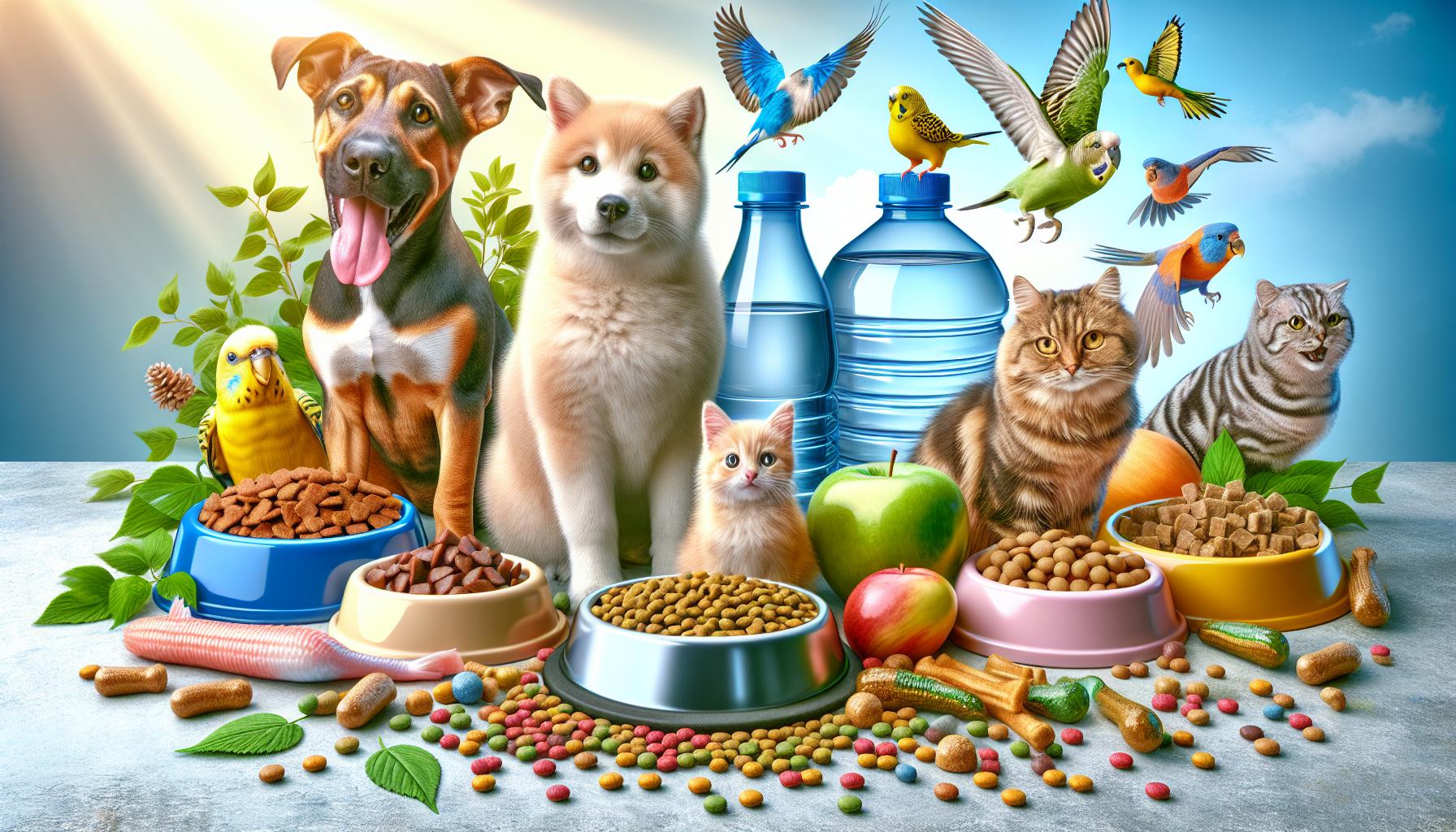
In the world of pet ownership, the phrase “you are what you eat” holds true, not only for humans but for our furry companions as well. Proper nutrition plays a pivotal role in ensuring the overall health and longevity of pets. It can affect everything from their energy levels to their coat quality and even their mood. A well-nourished pet is often more active and happier, leading to a fulfilling life both for the animal and their owner.
Key Aspects of Pet Nutrition
- Balanced Diet: It’s crucial to provide a diet that includes proteins, carbohydrates, fats, vitamins, and minerals. For instance, high-quality proteins are essential for muscle development, while fats serve as a concentrated source of energy. It’s also important to remember that not all carbohydrates are created equal; fiber from whole grains or vegetables can aid digestion.
- Age-Appropriate Food: Nutritional needs vary significantly between puppies and adult dogs, as well as kittens and adult cats. Puppies require higher protein levels for growth, while senior pets may benefit from diets that are lower in calories but rich in fiber to maintain a healthy weight.
- Quality Ingredients: The source and quality of ingredients can have a significant impact on a pet’s health. For example, opting for meats as the first ingredient can provide essential amino acids, whereas products with lots of fillers, like corn or soy, may not offer the necessary nutrients.
Just as with humans, pets rely on a balanced diet to prevent health issues such as obesity, diabetes, and heart disease. Studies show that nearly 60% of dogs and cats in the United States are classified as overweight or obese. This alarming trend underscores the need for pet owners to prioritize their pets’ diets. Veterinary experts recommend regular weight checks and dietary consultations to tailor nutrition plans for individual pets, much like personalized meal plans for people.
Benefits of Proper Nutrition
- Improved Lifespan: Well-nourished pets often live longer, healthier lives. For instance, research indicates that pets on a balanced diet can add years to their lifespans, particularly when paired with regular exercise.
- Enhanced Behavior: Proper nutrition can positively influence behavior and activity levels. Pets with balanced diets tend to exhibit fewer behavioral issues because they are less likely to experience mood swings or lethargy caused by nutritional deficiencies.
- Stronger Immune System: A well-balanced diet supports a robust immune system, helping to fend off illnesses. Nutrients such as antioxidants found in certain fruits and vegetables can help combat oxidative stress, promoting better overall health.
Understanding and implementing the principles of proper nutrition can transform pet care. By prioritizing what goes into their pets’ food bowls, owners not only enrich the lives of their companions but also enhance their own experience as pet parents. This article delves deeper into the significance of a nutritious diet and how it can enhance your pet’s quality of life, inviting you to explore the diverse options available to keep your furry family members thriving.
DISCOVER MORE: Click here for essential pet adoption tips
Navigating the Nutritional Maze
As pet parents, embarking on the journey of feeding our beloved companions can often feel overwhelming with the myriad of choices available on the market today. Proper nutrition is not just about filling a bowl; it’s about making informed choices that cater to the specific needs of each pet. In fact, the current landscape of pet nutrition promotes a deeper understanding of what constitutes a wholesome diet, enabling owners to craft meals that nurture their pets’ health and well-being.
The Building Blocks of Pet Health
To grasp the significance of nutrition, it is essential to recognize the fundamental building blocks that contribute to a pet’s overall health. These vital components include:
- Proteins: Essential amino acids are the foundation of every cell in your pet’s body. Whether from meat, fish, or plant sources, proteins help in growth, muscle repair, and tissue building, thereby playing a central role in a pet’s vitality.
- Fats: More than just a source of energy, fats support cell structure and help absorb fat-soluble vitamins. Omega-3 and Omega-6 fatty acids are particularly beneficial for maintaining healthy skin and a glossy coat.
- Carbohydrates: While many owners still question the place of carbs in a pet’s diet, they serve as an important energy source. Choosing complex carbohydrates, such as sweet potatoes or brown rice, can promote digestive health.
- Vitamins and Minerals: These micronutrients enhance various bodily functions—from bone health to the immune response. A deficiency or imbalance can lead to serious health issues.
In recent studies, veterinarians have emphasized the critical connections between pet nutrition and chronic diseases. For example, a diet lacking in essential nutrients can lead to conditions such as kidney disease, diabetes, and even certain cancers. Furthermore, according to the Association for Pet Obesity Prevention, more than 50% of dogs and cats in the United States are currently classified as overweight or obese, with improper nutrition being a significant contributor.
Decoding Pet Food Labels
Understanding pet food labels is a vital skill for every pet owner. Ingredients are listed in descending order based on their weight before cooking, which means that the first few ingredients carry the most impact on your pet’s health. Be on the lookout for high-quality protein sources as the primary ingredients, and steer clear of marketing gimmicks that often distract from nutritional value.
Moreover, pet food labeling may include claims such as “grain-free” or “high-protein,” but it’s crucial to scrutinize these claims and understand what they truly mean. For many dogs and cats, grains are not inherently harmful and can provide beneficial nutrients if chosen wisely. Consulting with a veterinarian can provide clarity and tailored advice specific to your pet’s needs.
As we delve further into the realm of proper nutrition for pet health, it’s evident that every bite plays a significant role. Armed with the right knowledge, pet owners can take proactive steps in ensuring their furry friends lead healthy, fulfilling lives. The responsibility of pet nutrition is not just a matter of taste; it’s a commitment to their health and happiness.
The Importance of Proper Nutrition for Pet Health
Proper nutrition is crucial for maintaining the overall health and well-being of pets. A balanced diet plays a vital role in promoting longevity, enhancing quality of life, and preventing diseases. Just like humans, pets require essential nutrients such as proteins, carbohydrates, fats, vitamins, and minerals to thrive. Investigating the specifics of these nutrients enables pet owners to make informed choices that benefit their furry companions.
| Nutritional Component | Significance |
|---|---|
| Protein | Essential for tissue repair, growth, and energy. |
| Vitamins and Minerals | Key for metabolic functions and immune system support. |
| Fats | Important for skin health and energy reserves. |
| Carbohydrates | Source of energy and helps in digestion. |
Understanding the specific needs of your pet based on their breed, age, and health conditions can lead to better dietary choices. This ensures proper nutrition, which not only contributes to physical health but also enhances mental well-being and behavior in pets. Investing in quality food infused with nutrients tailored to your pet’s requirements can prevent a range of health issues, empowering you as a pet owner to take charge of their health, thereby maximizing the joy they bring into your life.
DISCOVER MORE: Click here to learn about the impact of diet on your pets’ health</
Tailoring Diet to Lifestyle
As we dive deeper into the subject of proper nutrition for pet health, one crucial aspect that every pet owner must consider is tailoring their pet’s diet to their specific lifestyle and life stage. Just as we adjust our own diets based on our activity levels or age, pets also require different nutritional profiles based on their individual circumstances.
Life Stage Considerations
Age profoundly influences a pet’s nutritional requirements. Puppies and kittens have vastly different needs compared to senior pets. Young animals require diets rich in protein and calories to support their rapid growth and development. Foods tailored for these stages will typically contain a balance of nutrients designed for their unique metabolic rates.
Conversely, as pets age, their metabolism slows down, and they may become less active. Senior pets often face health issues such as obesity or arthritic conditions, necessitating a diet lower in calories but rich in fiber to maintain digestive health. These specialized formulations can also include joint-supporting nutrients like glucosamine and omega fatty acids that help mitigate the effects of aging.
The Impact of Activity Levels
Activity levels also play a pivotal role in the type of nutrition pets need. An active dog, such as a working breed or one that participates in agility training, requires a diet high in energy. Such dogs may benefit from food enhanced with high-quality fats and proteins to fuel their vigorous lifestyle. In contrast, less active dogs or those prone to weight gain need a more controlled diet to prevent obesity, which can lead to serious health complications.
Similarly, the dietary requirements of indoor versus outdoor cats vary significantly. Indoor cats may require nutrient-dense foods formulated for weight management, while outdoor cats might benefit from a diet rich in protein to sustain their energy levels. Pet owners should assess their pets’ routines and adjust their diet accordingly, fostering optimal health tailored to their lifestyle.
Special Dietary Needs
Many pets have special dietary needs that must be addressed for maintaining their health. Conditions such as allergies, intolerances, or chronic illnesses may require specific ingredient exclusions or inclusions in their diets. For instance, a pet suffering from food allergies may need a limited-ingredient diet, while pets with kidney disease may require a formula lower in protein to alleviate stress on their kidneys.
In these cases, collaborating with a veterinarian or a pet nutritionist can be invaluable. They can recommend specialized diets or commercial foods specifically designed to cater to these needs, ensuring pets receive a balanced diet that also supports their health conditions.
The Role of Treats and Supplements
Another consideration often overlooked is the role of treats and supplements in a pet’s diet. Treats can be a great way to reward and bond with your pet, but choosing healthy options is essential. Treats high in sugar or unhealthy fillers do not add any nutritional value and may contribute to unwanted weight gain.
Furthermore, supplements can play a critical role in supporting a pet’s overall health. Probiotics, omega-3 fatty acids, and specific vitamins can enhance digestion, promote shiny coats, and support joint health—but these should be administered under veterinary guidance to ensure they’re appropriate for your pet’s specific needs.
In a rapidly evolving market of pet food, understanding the nuances of your pet’s nutritional requirements is paramount. The importance of tailored nutrition cannot be overstated; making informed nutritional choices today can lead to a longer, happier life for your furry companion.
DISCOVER MORE: Click here to learn about the evolution of pet adoption services
Conclusion
In summary, the significance of proper nutrition for pet health cannot be overstated. Just as we prioritize a balanced diet for ourselves, our pets rely on similar attention to their food intake for optimal health. Customizing nutrition based on your pet’s life stage, activity level, and any special dietary needs is crucial to ensuring their well-being. A young puppy or kitten flourishes on a protein-rich diet, while older pets may thrive on lower-calorie options that support their changing metabolism.
Moreover, understanding the appropriate roles of treats and supplements can further enhance the health of our furry friends. Choosing high-quality treats and consulting with a veterinarian or pet nutritionist for dietary recommendations are proactive steps every pet owner should take. With an ever-evolving pet food market, staying informed about the nutritional complexities can empower you to make the best choices for your beloved companion.
Ultimately, investing time and knowledge into your pet’s nutrition is not merely a responsibility but an opportunity to foster a longer, healthier, and more vibrant life together. By embracing individualized nutrition strategies, you ensure that your pet not only thrives but also enjoys a more fulfilling life by your side. The journey towards better pet health begins with the food we provide—why not start today?