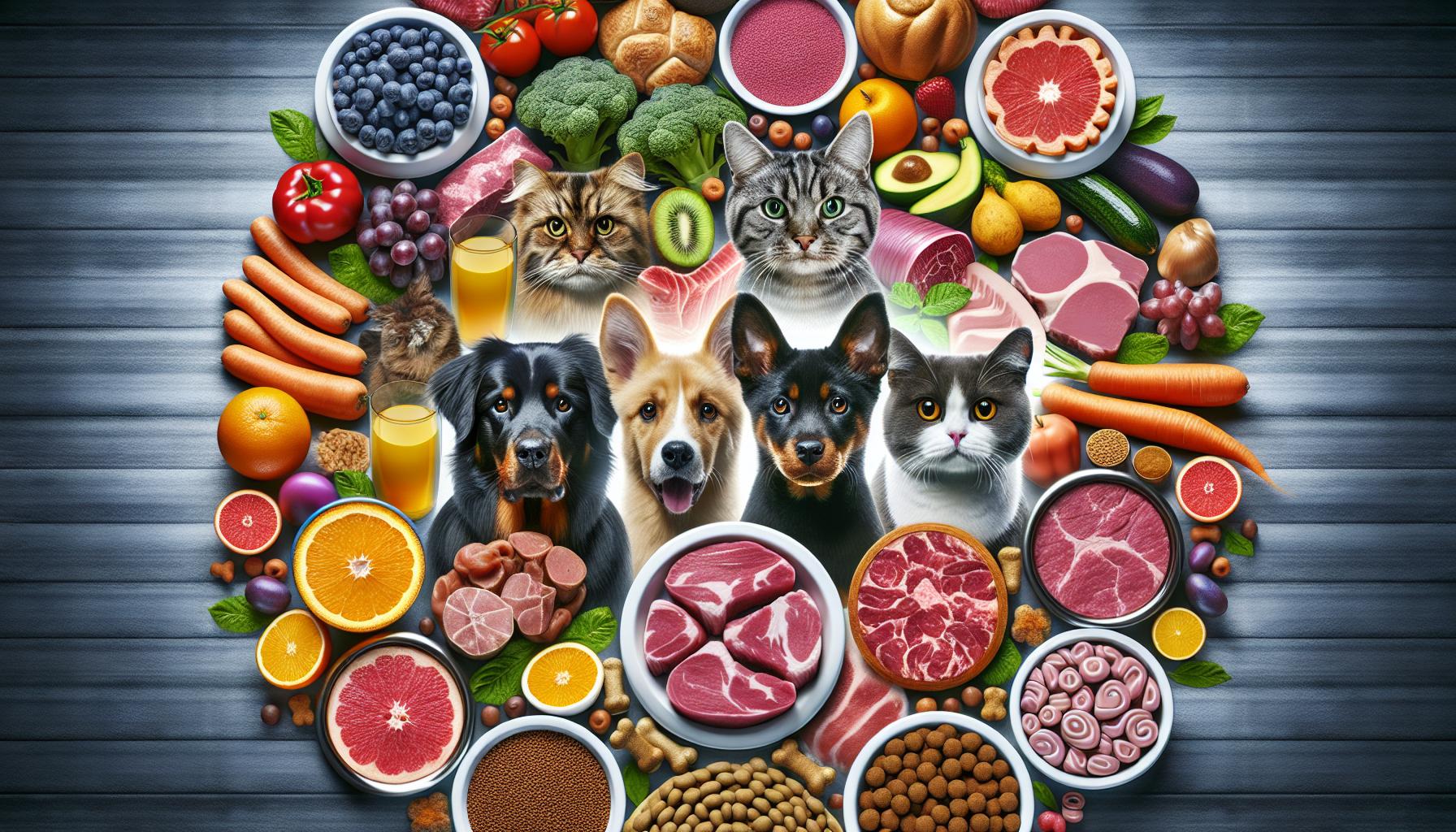
The influence of diet on the prevention of common diseases in dogs and cats

Understanding the Link Between Diet and Health in Pets
The health of our beloved pets is often intricately linked to their diet. Just like in humans, a balanced and nutritious diet can play a crucial role in preventing a wide array of diseases in dogs and cats. By focusing on specific nutrients and food types, pet owners can enhance their furry friends’ well-being. A proper diet not only influences the weight and energy levels of pets but also significantly impacts their long-term health outcomes.
Common Diseases Linked to Diet
Many diseases in pets can be influenced by dietary choices. Some notable examples include:
- Obesity: Excess food intake leads to weight gain, increasing the risk of diabetes and joint issues. The prevalence of obesity in pets has reached alarming levels, with nearly 60% of dogs and cats in the U.S. classified as overweight or obese according to the Association for Pet Obesity Prevention. This not only affects mobility but can lead to more severe health complications.
- Dental disease: Poor nutrition can exacerbate plaque build-up, leading to gum disease. Studies suggest that more than 80% of dogs and 70% of cats show signs of dental disease by the age of three. This underscores the importance of diets that promote oral health, potentially through crunchy kibble, chews, and specialized dental diets.
- Heart problems: Diets lacking essential fatty acids may result in hypertension or heart disease. For instance, an imbalance in omega-3 and omega-6 fatty acids can lead to inflammation and cardiovascular issues. Diets rich in fish oils or specific heart-healthy ingredients can help mitigate these risks.
Nutritional Components That Matter
Understanding the critical components of your pet’s diet is essential for disease prevention. To prevent these ailments, it is essential to consider:
- Proteins: Vital for muscle health and overall growth, proteins should come from high-quality sources. Meat-based proteins, along with adequate levels of amino acids, are particularly important for dogs and cats since they are carnivorous by nature.
- Vitamins and Minerals: Crucial for immune function and metabolic processes, these micronutrients play pivotal roles in maintaining optimal health. For example, vitamin E and selenium are known for their antioxidant properties, which help protect against cellular damage.
- Fiber: Aids in digestion and helps maintain a healthy weight. A fiber-rich diet can improve bowel health, stabilize blood sugar levels, and promote a healthy gut flora, which is fundamentally important for overall health.
Understanding these connections can empower pet owners to make informed choices. By providing the right diet, we can not only enhance our pets’ quality of life but also potentially extend their lifespan. Conducting research, consulting with veterinarians, or speaking with pet nutritionists are all great ways to understand your pet’s specific dietary needs better. Join us as we delve deeper into how nutrition plays a pivotal role in the health of our furry companions and ensure that the love we provide goes hand in hand with their health and happiness.
DISCOVER MORE: Click here to learn about positive reinforcement techniques
Key Nutritional Strategies for Disease Prevention
When it comes to safeguarding the health of our furry companions, a closer examination of their diet unveils an array of strategies that can help prevent common diseases in dogs and cats. By understanding the role of specific nutritional elements, we can tailor our pets’ diets to not only meet their daily requirements but also significantly diminish the risk of chronic health issues. Pet owners are increasingly recognizing the importance of informed dietary choices, which can aid in maintaining optimal health and longevity for their pets.
The Role of Balanced Diets
A balanced diet is the cornerstone of health for pets, much like in humans. To achieve a diet that supports disease prevention, it is vital to incorporate the right proportions of carbohydrates, proteins, fats, vitamins, and minerals. It is recommended that pet owners consider the following dietary components:
- Whole Grains: Incorporating whole grains such as brown rice and oats provides essential carbohydrates that are crucial for energy. Whole grains also offer dietary fiber which aids digestion and prevents obesity.
- Fruits and Vegetables: These are excellent sources of antioxidants and phytochemicals that bolster immune health. Notable options include blueberries, sweet potatoes, and carrots, which are not only nutritious but also appealing to many pets.
- High-Quality Fats: Essential fatty acids, particularly omega-3, can combat inflammation and promote healthy skin and a shiny coat. Sources like fish oil and flaxseed can be valuable additions to a pet’s diet.
By focusing on a balanced diet rich in diverse nutrients, pet owners can enhance their pets’ resilience against several prevalent ailments. Moreover, staying informed about pet food labels can help identify quality products that support well-rounded nutrition. Avoiding fillers and artificial additives is crucial, as these ingredients may contribute to adverse health effects over time.
Adapting Diets for Specific Health Concerns
Another vital aspect of pet nutrition is customizing diets to address specific health issues that may arise based on breed, age, or existing conditions. For instance, senior dogs might benefit from a diet lower in calories but higher in fiber and joint-supportive compounds like glucosamine. Likewise, certain breeds predisposed to specific conditions, such as hip dysplasia, may require specialized diets full of anti-inflammatory ingredients and balanced nutrients.
Furthermore, ongoing research illustrates a strong correlation between gut health and immune function. A diet that supports a healthy microbiome can aid significantly in disease prevention. Probiotics and prebiotics, often found in specialized pet foods, can enhance gut health, leading to better nutrient absorption and overall vitality.
To ensure a tailored approach, pet owners are encouraged to engage in dialogue with veterinarians or pet nutritionists. These professionals can provide insights based on individual pet needs, empowering pet owners to make choices that promote wellness.
By approaching pet dietary choices with intention, we can pave the way for healthier lives for our furry friends. The right combination of nutrients not only fosters physical health but also contributes to mental well-being, ultimately leading to a more joyful bond between pets and their owners.
| Dietary Adjustments | Health Benefits |
|---|---|
| Incorporating Omega-3 fatty acids | Reduces inflammation and arthritic symptoms. |
| High-fiber diets | Supports digestive health and weight management. |
Dietary adjustments play a crucial role in the overall health of pets. For instance, incorporating Omega-3 fatty acids into dog and cat diets has demonstrated significant improvements in reducing inflammation and supporting joint health, vital for pets prone to arthritis. This key nutrient is often found in fatty fish like salmon or supplements designed for pet consumption. Moreover, a diet rich in high-fiber content not only helps in maintaining a healthy weight but also contributes to better digestive health. Increased fiber helps regulate bowel movements, making it easier for dogs and cats to avoid constipation and other digestive disorders. By understanding these dietary influences, pet owners can take proactive measures in preventing common diseases in their furry companions, ultimately enhancing their quality of life.
DISCOVER MORE: Click here to learn the truth about homemade pet food
Essential Nutrients and Their Impact on Health
Diving deeper into the intricacies of pet nutrition, essential nutrients play a pivotal role in the prevention and management of common diseases in dogs and cats. By understanding how these nutrients function, pet owners can create a diet that actively promotes health and hinders the development of illnesses.
Proteins and the Building Blocks of Immunity
Proteins are crucial not only for muscle development but also for a robust immune system. High-quality protein sources such as chicken, lamb, and fish offer the necessary amino acids critical for the production of antibodies and other elements that help fend off infections. Additionally, diets enriched with L-carnitine have been suggested to support heart health, as it aids in fat metabolism, potentially reducing the risk of obesity-related ailments.
The Power of Antioxidants
A diet rich in antioxidants is vital for combating oxidative stress, which can contribute to chronic diseases such as cancer and arthritis. Antioxidants neutralize free radicals in the body, which, in turn, helps protect cells from damage. Foods like blueberries, spinach, and kale are excellent sources that can be integrated into homemade meals or chosen as part of high-quality commercial pet foods.
Impact of Carbohydrates and Fiber
While carbohydrates are often dismissed as non-essential, they are integral to a balanced diet. Complex carbohydrates, like sweet potatoes and quinoa, provide sustained energy. Furthermore, dietary fiber is paramount for a healthy digestive system. It can help to ward off gastrointestinal disorders and manage weight. The Association of American Feed Control Officials (AAFCO) recommends that pet foods contain adequate fiber content to enhance gut health.
Hydration and Its Role in Overall Health
Often overlooked, hydration is another essential factor in disease prevention. Providing pets with fresh, clean water is fundamental for kidney health, especially given the increasing prevalence of chronic kidney disease (CKD) in aging cats and dogs. Some pet owners may consider incorporating wet food into their pets’ diets, offering not only hydration but also additional nutrients.
Consideration of Special Diets for At-Risk Pets
Some pets may have heightened risk factors that demand special dietary considerations. For instance, dogs prone to allergies may require a limited-ingredient diet to identify and eliminate allergenic components. Similarly, cats suffering from obesity or diabetes benefit from high-protein, low-carbohydrate diets that help regulate blood sugar and maintain a healthy weight. Consulting with veterinarians for tailored nutritional advice for these at-risk animals can enhance their quality of life.
The Trend of Grain-Free Diets
The rise of grain-free diets has sparked debate within the pet food industry. While some pet owners believe that avoiding grains helps prevent allergies or digestive issues, emerging research has raised concerns over the potential link between grain-free diets and dilated cardiomyopathy (DCM) in certain dog breeds. Thus, pet owners are encouraged to stay informed and consult with veterinary nutritionists before making significant dietary changes.
In exploring the influence of diet on the prevention of common diseases in dogs and cats, it is clear that a holistic approach to nutrition is essential. Understanding and implementing these key dietary components not only promotes physical health but also enhances the overall quality of life for our beloved companions, paving the way for longer, more vibrant lives together.
LEARN MORE: Click here for essential insights on pet adoption rights and responsibilities
Conclusion: The Vital Role of Diet in Canine and Feline Health
In conclusion, the impact of diet on the prevention of common diseases in dogs and cats cannot be overstated. As we’ve explored, integrating essential nutrients into the diets of our pets serves as a foundational strategy in enhancing their overall health and longevity. From proteins that bolster immunity to antioxidants that combat cellular damage, the right combination of nutrients significantly influences the well-being of our furry companions.
The burgeoning awareness surrounding special dietary needs for at-risk pets and the contentious discussions regarding grain-free options highlight the importance of individualized nutrition tailored to specific health profiles. Pet owners are urged to take an active role in their pets’ diets, fostering a proactive approach to wellness through informed food selection. Furthermore, consulting with veterinarians or pet nutritionists can provide invaluable insights, ensuring diets meet the unique needs of each animal.
Ultimately, adopting a holistic view of pet nutrition not only mitigates the risk of developing prevalent illnesses but also cultivates a deeper, healthier bond between pets and their owners. With ongoing research and advancements in veterinary science, the evolving understanding of diet’s influence on pet health emphasizes one key takeaway: by prioritizing nutritious, balanced diets, we can pave the way for a brighter, healthier future for all dogs and cats. As responsible pet guardians, let’s embark on this journey of discovery and commitment to improved health—after all, a well-fed pet is indeed a happy pet.