How to Choose the Perfect Pet for Your Family Through Adoption Services
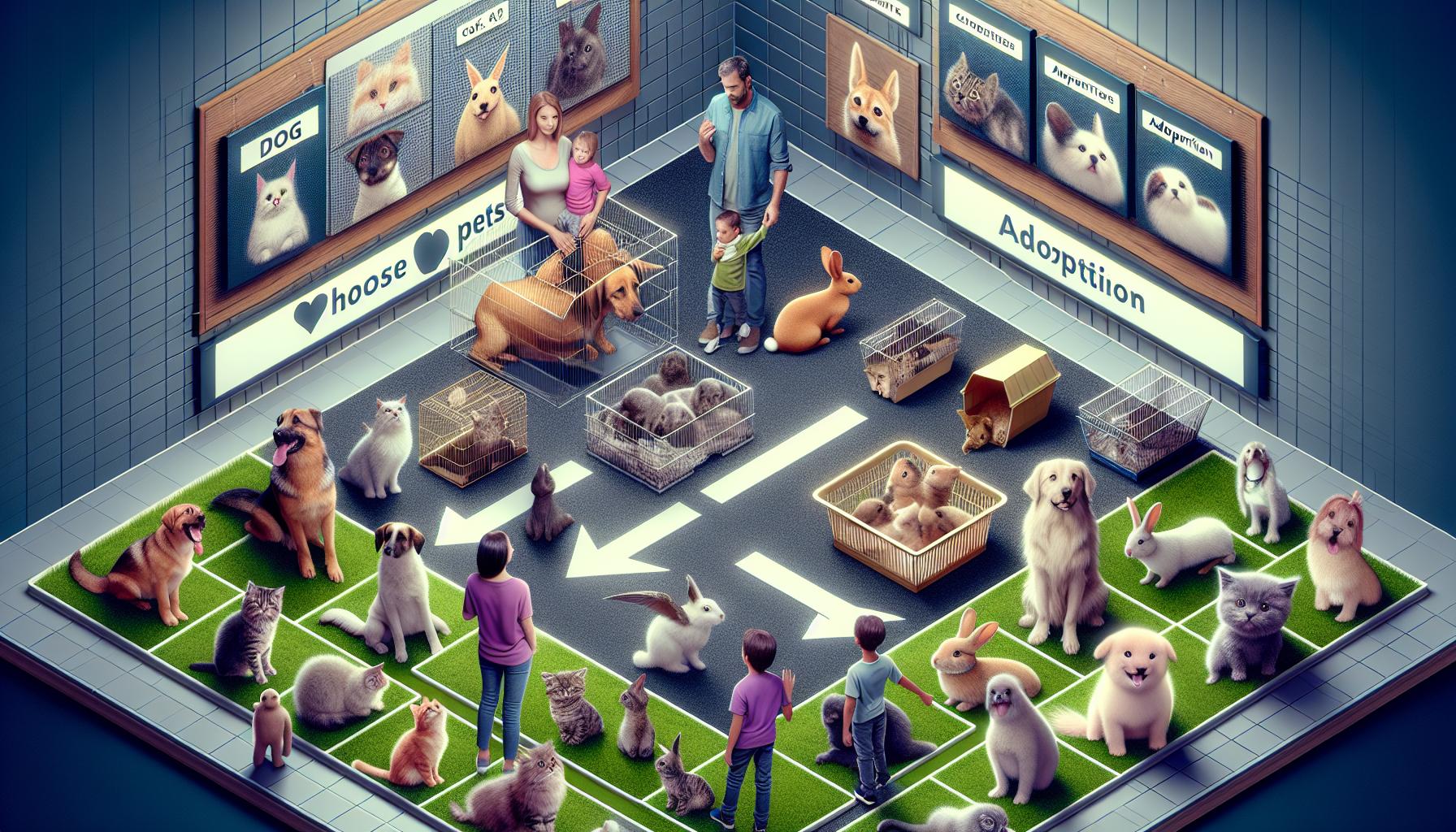
Understanding the Commitment of Pet Adoption
Welcoming a new pet into your home can fill your life with joy, love, and companionship. However, making the right choice regarding which pet to adopt is essential for creating a successful and harmonious family environment. With countless adoption services ranging from local animal shelters to breed-specific rescues, the process requires careful consideration and thoughtful research.
Family Lifestyle
One of the primary factors to evaluate is your family lifestyle. Are you an active household that enjoys long walks, hiking, or playing in the backyard? If so, an energetic breed like a Labrador Retriever or a Border Collie might be a great fit. Conversely, if your family prefers a more relaxed lifestyle with plenty of indoor time, a relaxed breed such as a Persian cat or a small and low-energy dog breed like a Bulldog may suit your needs better. Remember, every pet has different activity levels, and choosing one that aligns with your daily routine can prevent frustrations down the line.
Space Requirements
Consider space when thinking about adoption. Living in a small apartment may not be the best environment for a large breed dog that requires space to run and play. On the other hand, smaller pets like rabbits or guinea pigs are more adaptable to life indoors. Additionally, if you have a fenced-in yard, it may be worth considering a breed that enjoys outdoor activities. Researching your chosen pet’s specific housing needs, including outdoor space, will help in ensuring a welcoming environment for your new companion.
Health Considerations
The importance of allergies can never be overstated in the pet adoption process. Some families may have individuals who are sensitive to pet dander, which might rule out certain breeds altogether. In such cases, hypoallergenic pets, such as Poodles or Bichon Frises, may be a more suitable option. Before fully committing to an adoption, it’s wise to spend time with the type of pet you’re considering to assess any allergic reactions.
Age of Children
Another vital aspect is the age of your children. Younger kids may be better suited to more tolerant and sociable pets, which are often found in dog breeds known for their friendly nature, like Golden Retrievers. Alternatively, for families with older children, adopting a cat or even a more independent pet might be appropriate. Matching the pet’s temperament with your children’s ages ensures a safer and more fulfilling relationship.
The Emotional Benefits of Pet Adoption
Research shows that adopting a pet can profoundly impact your emotional well-being, providing a sense of purpose, companionship, and even lessons in responsibility. In times of stress or loneliness, pets can serve as comforting companions, supporting mental health. With a diverse range of local shelters and nonprofit organizations dedicated to rescue efforts across the United States, there are countless opportunities available for families looking to adopt their new best friend.
A Lifelong Commitment
As you embark on this significant journey, keep in mind that adopting a pet is about making a commitment that will require both patience and understanding. By thoughtfully evaluating your needs and those of potential pets, you can establish a long-lasting bond that truly transforms your family’s dynamic, enriching your lives with love, joy, and shared experiences.
DISCOVER MORE: Click here to learn about essential hygiene products for your cat’s oral health
Evaluating Your Family’s Needs and Preferences
When considering adopting a pet, evaluating your family’s unique needs and preferences is crucial to finding the perfect match. Each family has its own dynamic, and every potential pet comes with a distinct set of characteristics and care requirements. Taking the time to analyze these factors will pave the way for a successful adoption experience.
Daily Schedule
Your family’s daily schedule plays a significant role in determining the right pet to adopt. For busy families, a lower-maintenance pet may be ideal. Consider pets like fish or hamsters, which require less extensive daily interaction. If your family can dedicate time for a more interactive pet, dogs typically thrive on companionship and need consistent engagement. Ideally, setting up a balanced routine that incorporates regular walking, feeding, and playtime will help foster a healthy relationship with your new pet.
Pet Care Responsibilities
Another key consideration is the willingness and ability of family members to share in the responsibility of pet care. It’s essential to have a clear understanding of the time, effort, and resources necessary to care for your chosen pet. Here are some common responsibilities to keep in mind:
- Feeding: Different pets have varying dietary needs.
- Grooming: Some breeds require regular grooming or bathing.
- Training: Basic obedience training may be needed for dogs.
- Exercise: Regular walks or playtime is vital for active breeds.
- Veterinary Care: Regular check-ups and vaccinations are crucial for your pet’s health.
By involving the entire family in discussions about pet care responsibilities, you can ensure that everyone is on board and prepared to contribute to the well-being of your new companion.
Choosing the Right Animal Type
The type of animal you choose is equally important. Different species come with distinct temperaments and care requirements, leading you to ask yourself several questions. Would your family prefer a dog, cat, or maybe even a small animal like a rabbit? Dogs often need more training and attention but can provide loyal companionship, while cats typically require less hands-on care and may suit busier families. Small mammals, reptiles, and birds can also be fascinating options for families who want a pet that requires minimal space and maintenance.
Researching Adoption Services
Now that you have a clearer idea of your family’s needs, it’s time to explore adoption services. From local shelters to foster care networks, a plethora of resources are available for finding the ideal pet. Take the time to research organizations in your area, assess their adoption processes, and look at the animals they have available. Websites and social media pages often showcase adoptable pets, helping you get a sense of their personalities.
Additionally, visiting local shelters allows you to interact with different animals firsthand, gaining insight into their temperaments and needs. Remember, patience is key in the search for your family’s new furry (or scaly) member. By thoroughly researching and considering your family’s preferences, you can make an informed choice that leads to the perfect pet match through adoption services.
When seeking the perfect pet for your family through adoption services, it’s essential to consider several factors that contribute to a harmonious relationship between your family members and a new furry companion. The first step involves determining the energy level and temperament of the pet, ensuring that it aligns with your family’s lifestyle. For instance, families with young children may benefit from adopting breeds known for their gentle and playful nature, such as Labrador Retrievers or Beagles. Additionally, assessing the space available in your home should guide your decision. Larger pets, like Golden Retrievers, thrive in homes with ample outdoor space, while smaller breeds, such as Dachshunds, may adapt better to apartment living. Visiting local shelters and interacting with pets can help you gauge their behavior and compatibility with your family. Adoption services often provide a background of the pet, including its health status, temperament, and previous experiences. Utilizing this information can ensure your decision leads to a well-informed and loving environment for both the pet and your family. Lastly, consider the ongoing commitment of having a pet. Adoption is not just a one-time decision but a long-term investment in the well-being of the animal. Support systems provided by adoption organizations, including training and behavioral resources, can facilitate a seamless transition into family life. Embracing the idea that you’re not just gaining a pet, but also a new family member, makes the adoption experience profoundly rewarding.
DISCOVER MORE: Click here to learn about caring for senior pets
Understanding Adoption Processes and Preparing Your Home
Once you’ve evaluated your family’s needs and preferences, the next step is to navigate the adoption process effectively while preparing your home to create a welcoming environment for your new pet. Understanding various adoption protocols can streamline the experience and ensure it aligns with your family’s lifestyle and home dynamics.
Understanding Adoption Protocols
Different adoption agencies and shelters have unique protocols regarding pet adoption, and familiarizing yourself with these can greatly enhance your experience. Most organizations follow a structured process that may include the following steps:
- Application Submission: Prospective adopters typically need to fill out an application form that includes questions about your lifestyle, previous pet ownership experience, and preferences regarding the type of pet.
- Screening Process: Many shelters conduct background checks or interviews to ensure that each family is ready for pet ownership. Being honest and upfront about your family’s situation will help match you with a pet suited to your lifestyle.
- Meet and Greet: Most adoption services offer an opportunity to meet potential pets in person. This is an excellent chance to gauge how your family interacts with the animal and whether they feel comfortable.
- Home Visit: Some agencies may require a home visit prior to adoption to assess your living situation and ensure it is safe for the pet. This adds an extra layer of assurance for the well-being of the animal.
Understanding these protocols not only prepares you for the steps ahead but also allows you to approach the adoption process with openness and patience.
Preparing Your Home
Transitioning a new pet into your home requires more than just choosing the right animal; it also necessitates thoughtful preparation. As you await the arrival of your new family member, consider taking the following steps:
- Designate a Space: Create a cozy area within your home for your pet to feel secure. This could be a specific room or a corner with a comfortable bed, toys, and food. Providing a haven for your pet can ease their adjustment and establish a sense of belonging.
- Pet-Proofing: Much like childproofing, pet-proofing requires removing items that could pose risks to your new friend. Consider securing electrical cords, removing hazardous plants, and placing personal belongings out of reach to avoid accidents.
- Gathering Supplies: Before bringing your new pet home, acquire the necessary supplies, such as food, water bowls, litter boxes for cats, appropriate bedding, toys, and other essential items that cater to their needs.
- Training Materials: Investing time into training is crucial. Research training techniques that align with the type of animal you’re adopting. For dogs, basic obedience training is vital, while cats may benefit from litter box training resources.
By proactively creating a safe and nurturing environment, you enhance the likelihood of a successful integration of your new pet into family life.
Integration with Family Members
Introducing a new pet to your family requires careful consideration on how it will integrate into your existing dynamics. Discuss the importance of practicing patience, especially during initial interactions, as pets may take time to adjust to their new surroundings. Encouraging family members to participate in the pet’s adjustment process through feeding, training, and playtime will foster unity and strengthen bonds.
Furthermore, consider each family member’s comfort levels and any allergies that may affect interactions. Ensuring everyone’s voice is heard in this transitioning phase can create a more harmonious atmosphere, increasing the chances of a lasting relationship between the pet and your family.
Adopting a pet is a thoughtful and rewarding journey. By understanding adoption processes and preparing your home, you’ll take tremendous strides toward readying yourself for a fulfilling partnership with your new family member.
LEARN MORE: Click here for essential tips
Final Thoughts on Choosing the Perfect Pet Through Adoption
In conclusion, the journey to find the ideal pet for your family through adoption services is both enriching and fulfilling. By taking the time to assess your family’s needs and preferences, understanding adoption protocols, and preparing your home, you lay the foundation for a successful and harmonious relationship with your new furry friend. Remember, every pet has its own personality and requires a unique approach to integration within your family unit.
The significance of adopting a pet cannot be overstated; not only do you provide a loving home to an animal in need, but you also enrich your family’s life with companionship and joy. As you move through the adoption process, embrace the opportunity to educate yourselves about different breeds, temperaments, and the specific needs of the pet you choose. Research local shelters and adoption events in your area, as they often have a wealth of resources and support to help make informed decisions.
A successful adoption is fueled by patience, understanding, and an openness to learning. Remember that it’s not just about finding a pet; it’s about making a lifelong commitment to care for and cherish a being that will bring joy and love into your home. So, take the leap—explore local adoption services and open your heart to the possibilities that await. Your perfect family pet might just be waiting for you at a nearby shelter.