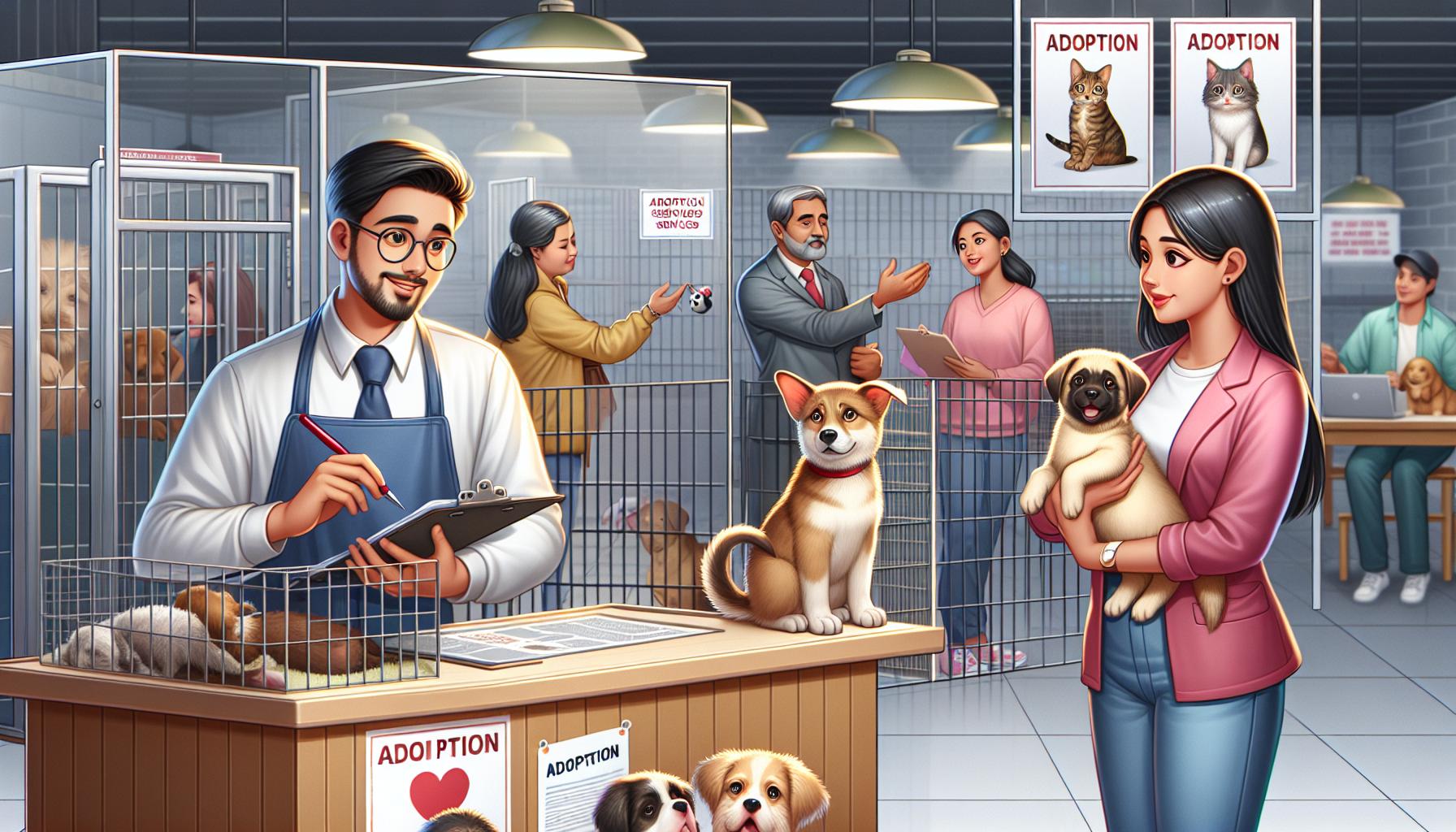
The Role of Foster Homes in Pet Adoption Services: Bridging the Gap

The Role of Foster Homes in Pet Adoption
In the United States, the plight of countless sheltered animals often highlights a pressing issue: the need for foster homes. These temporary placements are not only crucial for the survival of pets in need but are also significant in paving the way toward successful pet adoption. With an ever-increasing number of animals entering shelters, foster homes provide a sanctuary where these pets can receive specialized care, socialization, and love until they find their forever families.
The benefits of fostering extend beyond merely offering shelter; they create unique, enriching experiences for both the animals and their human caregivers. One of the foremost advantages of foster homes is the provision of safe environments. These homes often mimic the nurturing atmosphere that pets would ideally experience in a permanent household. By reducing the stress associated with shelter life, fosters allow animals to relax and regain their confidence, which is essential for their overall well-being.
In addition to a safe environment, foster caregivers offer personalized care tailored to each animal’s individual needs. This may include medical care, dietary adjustments, or behavior modification techniques, ensuring that pets are not just waiting for adoption but are actively being prepared for their new lives. For instance, a shy dog may benefit from targeted socialization efforts, enabling them to emerge from their shell and interact positively with potential adopters. This individualized attention can significantly improve their chances of finding the right match.
Moreover, foster homes presents invaluable socialization opportunities that are crucial for a pet’s development. Animals in foster care interact with different people, children, and often other pets, which collectively prepares them to fit seamlessly into family life. According to studies, pets that experience socialization are typically more adaptable, making them appealing to potential adopters. This is supported by statistics indicating that animals in foster care have a notably higher adoption rate compared to their counterparts who remain in shelters.
The demand for foster homes has surged in recent years, particularly influenced by the challenges of shelter overpopulation. Many shelters across the country struggle with limited space, meaning that animals who might otherwise languish in cages now have a chance to blossom in the comfort of a home. With over 3 million pets entering U.S. shelters every year, every foster commitment counts, transforming the lives of both animals and caregivers alike.
As we continue to explore the pivotal role foster homes play in pet adoption services, it becomes clear that they not only serve as a bridge for animals in need but also enrich communities by fostering compassion and a deeper connection to animal welfare. Understanding this dynamic opens the door to further inquiry into how fostering can be leveraged as a viable solution to the overarching problem of pet homelessness in America.
DISCOVER MORE: Click here to learn how to choose the perfect shelter for your new furry friend</
The Impact of Foster Homes on Adoption Outcomes
Foster homes play a critical role in enhancing the prospects of successful pet adoption, particularly in communities overwhelmed by the sheer number of animals needing homes. These temporary residences not only alleviate space constraints in shelters but also provide a nurturing and supportive environment essential for the emotional recovery and acclimatization of pets. To understand the full scope of their impact, it is essential to examine various components that elevate the role of foster homes in the pet adoption process.
Educational Opportunities for both pets and prospective adopters are a vital aspect of the fostering model. Foster caregivers often take on the role of educators, guiding potential adopters through the intricacies of a pet’s background, behavioral traits, and specific care requirements. A well-informed adopter is more likely to make a responsible decision, ensuring a lasting match between them and their new furry friend. For instance, understanding a pet’s previous trauma can help adopters create a patient and understanding environment, ultimately leading to a smoother transition for everyone involved.
In this light, fostering fosters a sense of community responsibility. Many foster homes engage in regular outreach and education, sharing their experiences through social media and community events. These efforts not only elevate awareness about the challenges of pet overpopulation but also inspire others to consider fostering or adopting, thereby bridging the gap between homeless pets and loving homes. Foster stories, often shared on platforms like Instagram and Facebook, can resonate with potential adopters, allowing them to envision what life could be like with a dog or cat who has truly been given a second chance.
The Value of Diverse Experiences
Diversity in foster care experiences can also significantly affect the behavioral outcomes of pets in the path to recovery. Animals who are placed in a variety of home settings encounter different challenges, social interactions, and environments that help them adapt and thrive. For example, a pet fostered in a busy household may become accustomed to the sounds and activities of family life, preparing them for a smoother adjustment when adopted in a similar setting. Such acclimatization is a key factor in promoting successful adoptions.
Consider the following types of strategies that foster homes commonly implement to maximize the potential for adoption:
- Structured Socialization: Engaging pets in playdates with other animals fosters essential social skills.
- Training Initiatives: Basic obedience training enhances a pet’s appeal while preparing them for family dynamics.
- Health Management: Regular veterinary check-ups and updated vaccinations ensure that pets are healthy and ready for adoption.
These strategies not only prepare pets for adoption but also alleviate any potential issues that may arise post-adoption, such as behavioral problems or health concerns. By providing a comprehensive approach, foster homes can significantly decrease the rate of return surrenders, cultivating a more stable environment for both the pet and their new family.
As we delve deeper into the multifaceted role of foster homes in pet adoption services, it becomes increasingly evident that they not only play a pivotal role in individual animals’ lives but also help shift public perception regarding pet care, responsibility, and ownership. Each foster home is a testament to the strength of community involvement and compassion, knitting together a fabric of hope and opportunity for pets in need.
| Category | Impact on Pet Adoption |
|---|---|
| Foster Care Benefits | Increased Socialization: Animals in foster homes receive individualized attention and training, which makes them more adoptable. |
| Temporary Housing Solutions | Reduction in Shelter Overcrowding: By utilizing foster homes, shelters can alleviate pressure on resources, allowing for better care of animals. |
Foster homes play a pivotal role in the pet adoption landscape by providing temporary shelter, attending to the needs of animals, and enhancing their chances of finding lasting homes. Each foster experience contributes to the pet’s emotional recovery and readiness for adoption, reflecting the profound impact of foster care on both pets and potential adopters.Moreover, the ability of fosters to communicate the personality and behavioral traits of pets allows shelters to match them with suitable forever homes more effectively. Testimonials from foster caregivers highlight heartwarming stories of transformation, underscoring the bond formed between the animal and foster family. Collectively, these dynamics not only bridge the gap in pet adoption services but also foster a culture of compassion and awareness within communities, prompting more individuals to consider adoption over purchasing pets. As more people learn about the vital role of foster homes, the potential for positive change in the lives of countless animals expands.
DIVE DEEPER: Click here to learn more about pet skin care
Strengthening Community Bonds Through Foster Care
The role of foster homes in pet adoption services extends far beyond just providing shelter; they play a significant part in strengthening community bonds. This is particularly relevant in urban areas, where shelters may be inundated with animals and resources are scarce. By creating a network of foster homes, organizations can build a support system that helps both the animals and the people in the community connect more deeply with the cause of animal welfare.
In fostering environments, individuals often come together, uniting their efforts to create safe havens for animals in need. Volunteer foster families frequently participate in workshops, training sessions, and community events that not only enhance their skills but also foster a sense of camaraderie. These inclusive settings can result in a vibrant community of like-minded animal lovers dedicated to improving the lives of pets and helping prospective adopters find their perfect match.
Innovative Adoption Events
Foster homes contribute to innovative adoption events that take pet adoption out of the confines of the usual shelter experience. Pop-up adoption events held at community centers, parks, or even popular local businesses showcase animals in relatable settings, providing potential adopters with a unique opportunity to interact with pets in a relaxed atmosphere. Many foster caregivers leverage their connections to host these events, boosting visibility for both the pets available and the shelter’s mission.
- Themed Adoption Events: From “Paw-ty at the Park” to “Feline Fridays,” these events create engaging experiences that draw diverse crowds, making adoption more accessible.
- Community Partnerships: Collaborating with local businesses allows for greater outreach and can include special offers for adopters, such as discounts on pet supplies or grooming services.
- Foster-to-Adopt Programs: These programs enable families to take home pets on a trial basis, fostering a sense of security for both the pet and the adopter before making a final commitment.
Such events not only increase the number of successful adoptions but also energize the community around the issues of animal welfare, sparking discussions and advocacy efforts beyond what a traditional shelter might achieve.
The Profound Impact on Lifelong Bonds
The positive outcomes of foster care extend to creating and preserving long-lasting relationships between pets and their adoptive families. Statistics reveal that pets adopted from foster homes are less likely to be returned to shelters compared to those adopted directly from shelters. This can be attributed to the preparatory work done by foster caregivers, who help pets adapt to household environments and provide insights into their behaviors and needs. Moreover, pets that have experienced adequate socialization are often more ready to integrate smoothly into new homes.
In fact, behavioral assessments conducted by behavioral specialists show that animals coming from foster homes exhibit lower levels of anxiety and a greater willingness to engage with their new families. This underscores the necessity of fostering as a bridge not just for rehoming animals but for establishing a foundation for enriching human-animal relationships.
Understanding this intricate interplay between fostering and successful adoptions highlights the importance of strengthening foster care systems. As communities continue to embrace the concept of fostering, they propel transformative changes in how society approaches pet ownership and responsibility. This engagement not only leads to successful animal placements but also fosters a culture of empathy, awareness, and advocacy for all living beings in our neighborhoods.
DISCOVER MORE: Click here to learn about the importance of socialization in puppy training!
Conclusion: The Vital Link in Pet Adoption
Foster homes serve as a critical component in enhancing pet adoption services, acting as essential bridges between shelters and forever homes. They not only address the immediate needs of animals in crisis but also cultivate lasting community engagement by fostering empathy and commitment to animal welfare. The unique role of foster caregivers allows pets to thrive in nurturing environments, leading to increased success rates in adoption and decreased rates of return to shelters.
By leveraging innovative events and community partnerships, foster homes create engaging opportunities for prospective adopters to connect with pets in a relatable setting. The success of these initiatives underscores the significance of the foster care system in redefining the adoption narrative, transforming it into a collaborative journey that empowers both animals and humans alike.
As we reflect on the profound impact of foster homes, it becomes evident that their influence extends well beyond pet placement. They contribute to the formation of lifelong bonds, increase public awareness of animal-related issues, and foster a culture of compassion within communities. Embracing the role of foster care not only leads to successful adoptions but also inspires broader societal responsibility toward the welfare of all animals.
Moving forward, it is crucial for communities across the United States to continue investing in and supporting these invaluable foster systems. Through collective efforts, we can further bridge the gap in pet adoption services, ensuring that every pet finds the loving home they deserve while nurturing a compassionate society that values the well-being of all living creatures.