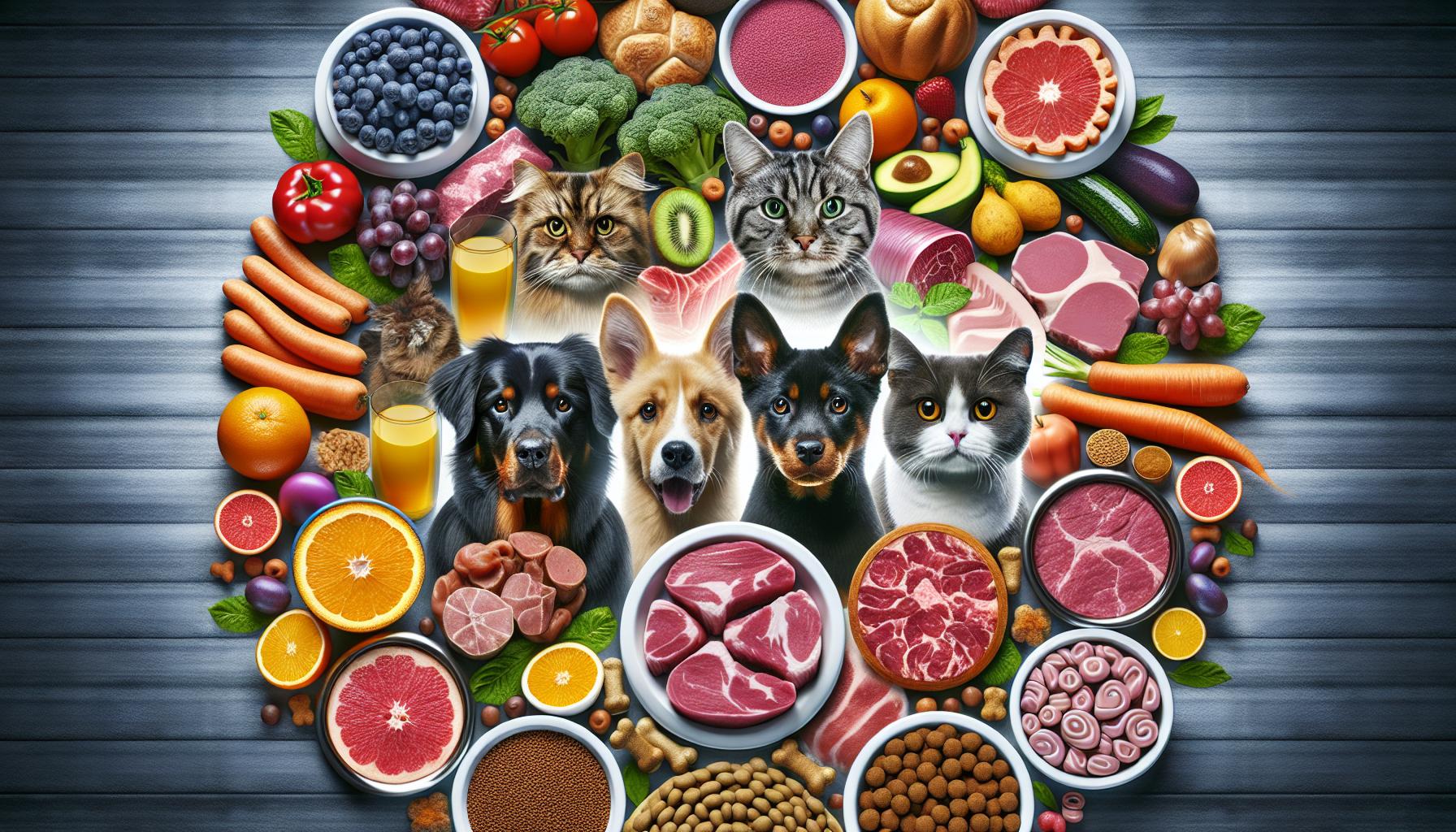
The Impact of Balanced Nutrition on Pet Longevity

Why Your Pet’s Diet Matters
The bond between humans and their pets is profound, often reflecting the care and attention we afford our furry friends. Ensuring their health and happiness entails not just love and companionship but also providing them with the right nutrition. A pet’s diet is a cornerstone of their overall well-being, influencing everything from their energy levels to their longevity.
Nutritional requirements: Similar to people, pets have individualized dietary needs that shift based on factors such as age, size, and breed. For instance, puppies require a diet rich in proteins and fats to support their rapid growth, while senior dogs may benefit from lower-calorie options that still offer essential nutrients. Breeds like Golden Retrievers or Bulldogs may need specialized diets to account for predisposed health conditions. Being aware of these requirements plays a crucial role in shaping a balanced diet that meets the specific needs of each pet.
Health benefits: A balanced, nutrient-rich diet can significantly mitigate the risk of various health issues, including obesity, which is a growing concern among pets in the United States. According to the Association for Pet Obesity Prevention, approximately 56% of dogs and 60% of cats are classified as overweight or obese. This excess weight can lead to diabetes, joint issues, and even shortened life spans. A diet composed of high-quality ingredients, such as lean meats, whole grains, and fresh fruits and vegetables, can help keep pets at a healthy weight while boosting their immune systems.
Life expectancy: Numerous studies affirm that pets fed a balanced diet often enjoy longer, healthier lives. For instance, research indicates that dogs on a proper diet can live, on average, up to two years longer than those consuming a less nutritious diet. This correlation emphasizes the importance of investing in high-quality pet food tailored to an animal’s specific needs. Food choices can range from dry kibble to raw feeding, with each having its pros and cons, but the commitment to a balanced diet is universal in enhancing life expectancy.
However, navigating pet food labels can be daunting. Ingredients are often listed in a way that may confuse even the most diligent pet owner. It’s essential to understand terms like “complete and balanced” or “premium,” as they can vary greatly between brands. Pet owners are urged to be proactive by delving into nutritional guidelines, researching brands, and consulting with veterinarians who can provide tailored advice based on individual pet needs.
Ultimately, the relationship between nutrition and health cannot be stressed enough. With a bit of education and openness to change, pet owners can make meaningful adjustments to their pets’ diets, leading to remarkable enhancements in vitality and overall well-being. Investigate the available nutritional options for your pet; the path to a happier, healthier life might just be a meal away.
DIVE DEEPER: Click here to learn more
Understanding Nutrients and Their Role in Pet Health
When considering the impact of balanced nutrition on pet longevity, it becomes essential to understand the specific nutrients that play a vital role in your pet’s health. Just as with humans, the right balance of nutrients can facilitate improved health and increased life expectancy for pets. The primary components of pet nutrition can be broken down into several key categories:
- Proteins: Essential for growth, repair, and maintenance of body tissues. Proteins help build muscles, support a healthy immune system, and provide energy. High-quality animal proteins, such as chicken, beef, and fish, should be prioritized in your pet’s diet.
- Fats: These are important energy sources and help support skin health, brain function, and joint mobility. Omega-3 and omega-6 fatty acids from sources like fish oil can profoundly impact your pet’s long-term health and resilience against diseases.
- Carbohydrates: While not always deemed essential, carbohydrates provide a significant energy source and help maintain healthy gut function. Whole grains and vegetables can offer fiber, which is crucial for digestion and preventing obesity.
- Vitamins and Minerals: These micronutrients are critical for numerous bodily functions, including bone health, immune response, and metabolic processes. Vitamins A, B, C, and D, as well as minerals like calcium and phosphorus, should be included in your pet’s daily intake.
Acknowledging these nutrients and choosing pet foods that offer a balanced mix of them can set the foundation for a thriving and robust life. Many pet owners may find themselves puzzled when trying to decipher the ingredients in pet food, especially with the myriad of brands and formulations available on the market. It’s not uncommon for labels to claim to be “complete and balanced,” yet the actual nutritional content can vary significantly.
Research shows that pets fed diets rich in high-quality ingredients have demonstrated fewer health issues, leading to enhanced longevity. For instance, a study published by the Journal of Veterinary Internal Medicine highlighted that dogs on protein-rich diets had significantly lower incidences of cancer and chronic diseases as compared to those on lower quality diets. Similarly, cats that received well-balanced diets exhibited better mobility and vitality in their older years.
Moreover, pet owners should consider factors such as fiber content which aids digestive health and maintains proper weight, and antioxidants that can combat oxidative stress, a contributor to aging. Regular servings of fruits and veggies like carrots, blueberries, and spinach can bolster your pet’s diet and contribute to a stronger immune system.
Clearly, the stakes are high when it comes to your pet’s food choices. Optimizing their diet not only holds the potential to extend their lives but also enhances their quality of life. By being proactive and informed about your pet’s nutritional needs, you have the power to make choices that favor their health and longevity.
| Advantages | Impact on Longevity |
|---|---|
| Improved Immune Function | A diet rich in antioxidants and essential nutrients enhances the immune system, leading to a lower risk of chronic diseases and infections. |
| Enhanced Digestive Health | Balanced nutrition supports gut health by promoting a healthy microbiome, which is essential for the absorption of nutrients and overall wellness. |
| Weight Management | Controlling calorie intake through a balanced diet helps maintain optimal weight, reducing the risk of obesity-related diseases. |
| Skin and Coat Health | Nutrients such as omega fatty acids improve coat condition, leading to better skin health and less susceptibility to allergies. |
Balanced nutrition plays a pivotal role in enhancing the quality of life and extending the lifespan of pets. Each aspect of their diet contributes significantly to health improvements that can result in several years of active companionship. By implementing a diet with a focus on whole ingredients, pet owners can actively participate in their pet’s longevity journey. For those curious about how to make the shift to a more balanced nutritional approach, various resources and expert veterinary guidance can pave the way to optimal pet health.
DISCOVER MORE: Click here to learn about the importance of socialization in puppy training
The Role of Diet in Preventing Common Health Issues
A well-rounded, balanced diet significantly impacts not just the longevity of pets but also plays a crucial role in preventing common health issues. Many pet owners may not realize that chronic conditions such as obesity, diabetes, and heart disease can often be linked back to inadequate nutrition. For instance, excessive caloric intake coupled with a lack of essential nutrients can lead to obesity, which has become an epidemic among pets in the United States.
According to the Association for Pet Obesity Prevention, over half of the dogs and cats in the U.S. are classified as overweight or obese. This excess weight can strain their hearts, joints, and organs, ultimately shortening their lifespan. A high-quality diet tailored to maintain appropriate body weight can mitigate this risk. Formulating a diet with calorie restrictions while ensuring nutrient density is key; foods rich in high-quality protein, complex carbohydrates, and healthy fats can help pets achieve and maintain their ideal weight.
Beyond obesity, specific dietary components can also be instrumental in managing or preventing the onset of other serious conditions. For example, the inclusion of specific functional foods—nutrient-rich ingredients with health benefits—can improve your pet’s well-being. Ingredients like brown rice for digestive health or sweet potatoes for their high fiber content can be beneficial. Additionally, incorporating functional additives such as glucosamine and chondroitin can support joint health, particularly in aging pets, allowing for a more active lifestyle as they grow older.
Furthermore, the importance of preventative care in the context of balanced nutrition cannot be overstated. Regular veterinary check-ups and nutritional assessments can pinpoint dietary deficiencies or excesses. For example, cats are particularly prone to urinary tract issues, which can be alleviated through diets designed to promote urinary health, often high in moisture and formulated with the right balance of minerals. Ensuring that your pet’s diet is aligned with their specific health needs is paramount in extending their lifespan.
The influence of balanced nutrition extends into the realm of mental health as well. Studies indicate that a diet rich in omega-3 fatty acids, found in fish and flaxseed, can reduce the risk of cognitive decline in older pets. Adding these vital nutrients supports not only physical health but cognitive function, allowing pets to remain sharp and playful in their senior years.
As more pet owners become aware of these connections, the demand for pet foods crafted with tailored nutritional formulas continues to grow. For those seeking to enhance their pet’s diet, consulting with veterinarians or pet nutritionists can provide personalized insights based on age, breed, and health history. This targeted approach empowers pet owners to make informed decisions that could lead to longer, healthier lives for their beloved companions.
Ultimately, understanding the profound relationship between balanced nutrition and pet longevity opens up avenues for care that were previously unconsidered. As steadfast guardians of our pets’ health, investing time in selecting nutritionally rich, high-quality foods may well be one of the most impactful decisions we can make on their behalf.
DIVE DEEPER: Click here to learn how functional nutrition can make a difference
Conclusion: Enhancing Pet Longevity Through Balanced Nutrition
In summary, the intricate relationship between balanced nutrition and the longevity of our pets is both profound and promising. It has become increasingly clear that a well-structured diet not only fosters physical health but also provides critical support in preventing a myriad of health challenges such as obesity, diabetes, and cognitive decline. The shift towards providing balanced, nutrient-rich diets tailored to meet the specific needs of our pets can lead to substantial improvements in their quality of life and lifespan.
Pet owners are encouraged to view nutrition as a cornerstone of comprehensive pet care. Rather than merely filling bowls with food, understanding the role of functional foods, high-quality protein sources, and essential fatty acids can empower us to make informed choices that contribute to our pets’ wellbeing. Regular consultations with veterinarians or pet nutritionists not only aid in creating optimal dietary plans but also ensure that we remain proactive in our roles as caretakers.
As we continue to advocate for pets’ health, let us embrace the power of nutrition as one of the most impactful tools at our disposal. The time invested in selecting the right diet can yield immeasurable benefits, fostering healthier, happier, and longer lives for our cherished companions. It is essential to remember that in the journey of pet ownership, nutrition is not just about feeding; it is about nurturing a partnership that enriches the lives we share.