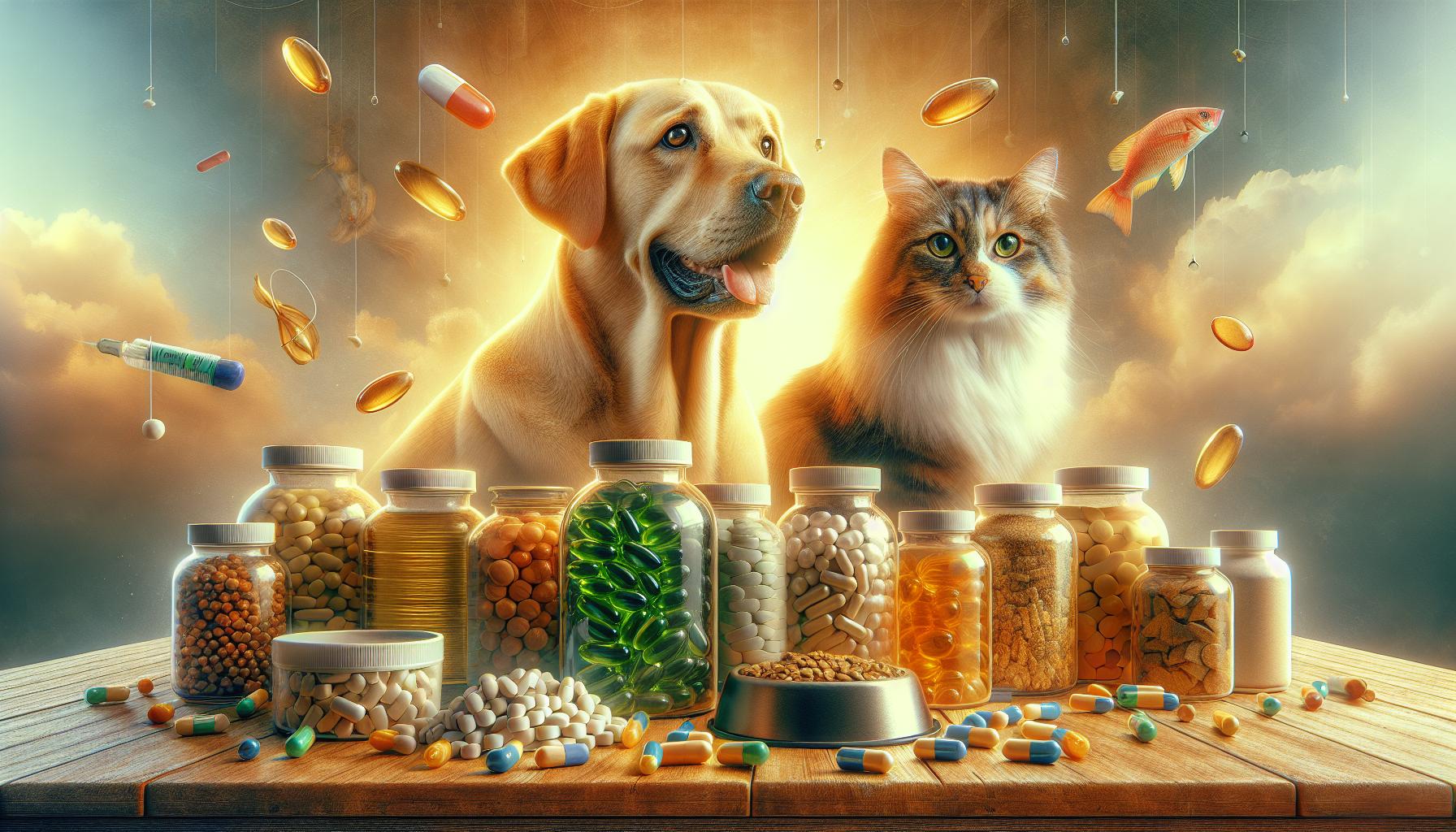
The myths and truths about homemade food for pets

Exploring the Homemade Pet Food Dilemma
Every pet owner wants the best for their furry companions, often leading them to explore homemade food as an option. However, this alternative diet is surrounded by a myriad of myths and truths that can create confusion. Understanding these aspects is crucial for making informed decisions regarding your pet’s nutrition.
Common Myths Surrounding Homemade Pet Food
- Myth 1: All homemade diets are inherently healthier.
- Myth 2: Pets can eat the same food as humans without any issues.
- Myth 3: It’s simple and easy to prepare balanced meals.
While many believe that homemade meals are automatically better than store-bought options, this isn’t necessarily true. Homemade diets can often lack the specific balance of nutrients that commercial pet foods provide. Particularly, certain nutrients like taurine for cats, or the appropriate ratios of proteins, fats, and carbohydrates, might not be adequately addressed in a homemade setting.
This is a dangerous misconception. Many human foods, such as chocolate, grapes, onions, and garlic, are toxic to pets. Additionally, pets have different dietary requirements compared to humans, and what may be a nutritious meal for us could lead to serious health issues for them.
Crafting a balanced meal for your pet isn’t just about throwing together some ingredients. It involves understanding specific nutritional needs and proper proportions. Moreover, it can be time-consuming, requiring research and meal prep time, which may not fit into everyone’s lifestyle.
Realities You Should Consider
- Truth 1: Homemade food can lack essential nutrients.
- Truth 2: Certain ingredients can be toxic to pets.
- Truth 3: Consulting with a veterinarian is advisable before altering your pet’s diet.
Many pet owners might not realize that a well-balanced diet contains a wide spectrum of vitamins and minerals. Without careful planning, a homemade diet could lead to deficiencies that can manifest in serious health issues over time.
It’s essential for pet owners to be aware of which common ingredients can pose dangers. For example, avocados may be healthy for humans but can be harmful to dogs, while xylitol, a sugar substitute, is highly toxic to both dogs and cats.
Veterinarians can provide customized advice based on your pet’s specific health needs and dietary requirements. They may also suggest balanced recipes or supplements to ensure your pet gets adequate nutrition, steering you away from potential pitfalls of homemade feeding.
As the trend of homemade pet food gains popularity across the United States, it’s vital for pet owners to sift through this information accurately. A study conducted by the American Pet Products Association (APPA) indicates that approximately 30% of pet owners in the U.S. are opting for homemade meals. This rising statistic calls for informed decision-making surrounding the diets we provide our pets. This article delves deeper into the myths and truths of homemade food for pets, providing insights that every responsible pet owner should know.
DISCOVER MORE: Click here to learn about balanced nutrition for your pets
Understanding Homemade Pet Food: Myths vs. Truths
The allure of homemade pet food often draws owners in with promises of enhanced nutrition and better health for their beloved animals. However, as the old saying goes, “the road to hell is paved with good intentions.” This statement resonates deeply when we consider the myriad of truths and myths surrounding this dietary choice. Below, we will explore some of these misconceptions further, shedding light on what every pet owner ought to understand before embarking on the homemade food journey.
Debunking Popular Myths About Homemade Pet Food
- Myth 4: Homemade food is always more cost-effective.
- Myth 5: All commercial pet foods are of low quality.
- Myth 6: Cooking for pets guarantees them a species-specific diet.
Many pet owners mistakenly believe that preparing food at home will save them money in the long run. However, quality ingredients, appropriate supplements, and the time spent on planning and preparing meals can significantly add up. According to a 2020 survey by the Association for Pet Obesity Prevention, over 50% of pet owners reported spending just as much, if not more, than they did on commercial pet food when preparing homemade meals.
This myth grows from the growing awareness of questionable ingredients in some commercial foods. However, reputable brands invest in research and development to ensure balanced nutrition for pets. In fact, many commercial pet foods are expertly formulated to meet the nutrient profiles established by the American Association of Feed Control Officials (AAFCO). Is it fair to dismiss these products entirely?
It is easy to assume that making your pet’s food means you’re providing exactly what they need. Yet this perspective overlooks the understanding of species-specific dietary requirements. A dog may thrive on a certain food that would create serious health issues for a cat. Failing to acknowledge these distinctions can lead to unintended consequences for your pet’s health.
The Hard-Hitting Realities of Homemade Pet Food
- Truth 4: It can be difficult to monitor your pet’s health on a homemade diet.
- Truth 5: Pets may have unique needs that require professional input.
- Truth 6: There are safe homemade pet food recipes available.
When pets are fed a homemade diet, it can be challenging for owners to track their health and well-being accurately. Unlike commercial foods, which often contain standardized measurements of macronutrients, recipes for homemade meals may not provide clear indicators of nutrient adequacy or caloric content. This could lead to unintentional over- or underfeeding.
Some pets may suffer from allergies, sensitivities, or existing health issues that necessitate a carefully crafted diet. A veterinarian can help tailor recipes to accommodate these requirements. As recent studies indicate that nearly 15% of dogs in the U.S. suffer from dietary allergies, consulting with a professional can ensure that your homemade meals are safe and nutritious.
For those determined to try their hand at homemade pet food, it’s reassuring to know that various balanced recipes are recommended by veterinarians and pet nutrition experts. However, owners must be diligent in choosing recipes that adhere to proper ratios of protein, carbohydrates, vitamins, and minerals.
In navigating the complex world of homemade pet food, knowledge becomes a powerful tool for ensuring your pet’s health. As we delve deeper into the myths and truths regarding homemade diets, acquiring accurate information transforms potential pitfalls into informed choices. By dispelling misconceptions and highlighting realities, pet owners can create a healthy and balanced approach to their pets’ nutrition.
The Myths and Truths About Homemade Food for Pets
When it comes to feeding our pets, homemade food has become a topic of heated discussions between pet owners and veterinarians alike. There are numerous myths surrounding it, leading to misguided practices that could affect our furry friends’ health. Let’s delve into the truths while dispelling some of those prevalent myths. Firstly, many believe that homemade food can guarantee a higher quality of ingredients. While it’s true that you can often select fresher or organic items, this does not always equate to improved nutrition. Not all pet owners have the knowledge required to create nutritionally balanced meals. The risk of creating deficiencies in key nutrients is significant unless one is well-informed or guided by a veterinarian. Moreover, a common myth is that cooking for pets is a cost-effective choice. In reality, the expenses can accumulate quickly. Quality ingredients, supplements, and the time involved in preparing diverse meals can lead to a financial impact that matches or exceeds premium pet foods. This is an essential truth for pet owners to consider, especially those on a budget. Another misconception is that homemade diets can cure ailments. While tailoring food for pets with specific health conditions can indeed be beneficial, it should never replace professional veterinary treatment. It’s vital to consult with a veterinarian before making drastic changes to a pet’s diet, as they can advise on the best approach tailored to individual health needs.Furthermore, while many people think homemade food fosters a deeper bond between a pet and its owner, the reality is that love can be shown through various means, including quality time and play. The idea that homemade food inherently translates to better care is simplistic and overlooks the broader aspects of pet companionship. To enrich the understanding of homemade diets for pets, consider seeking out reliable sources of information, speaking to pet nutritionists, or consulting with your veterinarian. These professionals can provide direction, ensuring that your pet’s dietary needs are met without falling for common misconceptions.
| Advantage Category | Description |
|---|---|
| Customization | Allows tailoring meals to specific dietary needs and allergies. |
| Quality Control | Experience in selecting fresh, high-quality ingredients for optimal nutrition. |
As the discussion around homemade diets for pets continues to evolve, it is essential to keep an open, informed mindset. Weighing the pros and cons can significantly influence the overall health and happiness of our beloved companions, ensuring that they thrive under our care.
DISCOVER MORE: Click here to learn how to find the perfect shelter for your pet adoption journey</
The Complexity of Homemade Pet Food: Unearthing More Myths and Realities
As we dive deeper into the intricacies of homemade pet food, it becomes essential to separate fact from fiction with a discerning eye. While the artistic endeavor of crafting meals for our furry companions has its merits, understanding the subtleties involved is crucial for their health and well-being. Let’s explore more of these common myths and truths that every pet owner should know before embarking on this culinary journey.
Mistaken Beliefs Surrounding Homemade Pet Food
- Myth 7: Homemade food is free from harmful additives and preservatives.
- Myth 8: Homemade diets guarantee improved behavior.
- Myth 9: All pets will love homemade food.
Many pet owners believe that homemade dishes lack the preservatives found in commercial foods, assuming this makes them safer. However, while it’s true that homemade meals may not contain synthetic additives, they can still harbor potential health risks. For instance, ingredients meant for humans, such as onions or garlic, can be toxic to pets. Without specialized knowledge, owners might inadvertently introduce harmful substances into their pets’ diets.
Some pet owners link their pets’ behavior to their diet, thinking that homemade food will address behavioral issues. While diet can play a significant role in a pet’s overall well-being, it’s vital to consider that behavior stems from various factors, including training, socialization, and genetics. A homemade diet alone may not resolve issues like anxiety or aggression.
It’s a common assumption that pets will eagerly consume any food made by their owners. However, just like humans, pets have individual taste preferences. Some animals may be accustomed to specific flavors and textures found in commercial diets or may not find homemade alternatives as appealing. Pet owners need to be prepared to adapt and experiment based on their pet’s unique tastes.
Critical Realities of Homemade Pet Food
- Truth 7: It requires continuous education and recipe adaptation.
- Truth 8: Homemade diets can promote a strong bond between pet and owner.
- Truth 9: Homemade food can lead to greater dietary awareness.
Preparing homemade pet food is not a one-time task; it requires constant learning and adjustment. Nutritional needs can change based on various factors, including age, activity level, and health conditions. Pet owners should prioritize researching reputable sources and even considering consultation with a veterinary nutritionist for updated advice on dietary needs.
Engaging in the process of preparing meals may strengthen the relationship between a pet and their owner. The act of cooking allows for a meaningful interaction where owners can personalize diets to meet the specific needs of their companions. This hands-on approach fosters a sense of care that can be immensely rewarding, both emotionally and physically, for pets.
Transitioning to homemade meals opens up discussions about ingredients, nutritional values, and the overall health of pets. As owners delve into nutrition research and experiment with recipes, they often develop a greater appreciation for what they are feeding their pets. This awareness can lead to healthier choices in both homemade and commercial foods in the long run.
As we continue to dissect the myths and truths surrounding homemade food for pets, it becomes increasingly apparent that this journey requires meticulous research, adaptation, and patience. Understanding the full spectrum of potential benefits and pitfalls empowers pet owners to make informed decisions that promise to enhance the health and happiness of their furry friends.
LEARN MORE: Click here to discover the importance of hygiene products for your cat’s oral health
Concluding Insights on Homemade Pet Food
In summary, the journey into the realm of homemade pet food is one filled with both promise and perils. As we’ve uncovered, there are numerous myths that blanket this topic, leading pet owners to believe that crafting meals from scratch guarantees health, happiness, and satisfaction for their furry companions. However, the truth is much more nuanced. The nutritional requirements of pets are complex and can vary widely depending on individual needs, making education and guidance from reputable sources essential.
Moreover, while the act of preparing homemade meals can undoubtedly deepen the bond between pet and owner, it is not a panacea for behavioral issues nor a foolproof way to prevent dietary risks. It is crucial for owners to remain vigilant about ingredient choices and to constantly adapt their recipes based on evolving dietary needs. Engaging with veterinary professionals can ensure balanced nutrition, while being open to experimentation will cater to a pet’s unique palate.
Ultimately, the movement toward homemade pet diets can foster greater awareness about nutritional health, prompting pet owners to take a proactive role in their companions’ well-being. As you embark on this culinary adventure, remain informed, adaptive, and ever mindful of your pet’s specific requirements. By doing so, you can navigate the landscape of homemade pet food with confidence, turning myths into valuable knowledge that nurtures not only a pet’s diet but also their overall quality of life.