Understanding Pet Food Labels: Decoding Nutrition Information
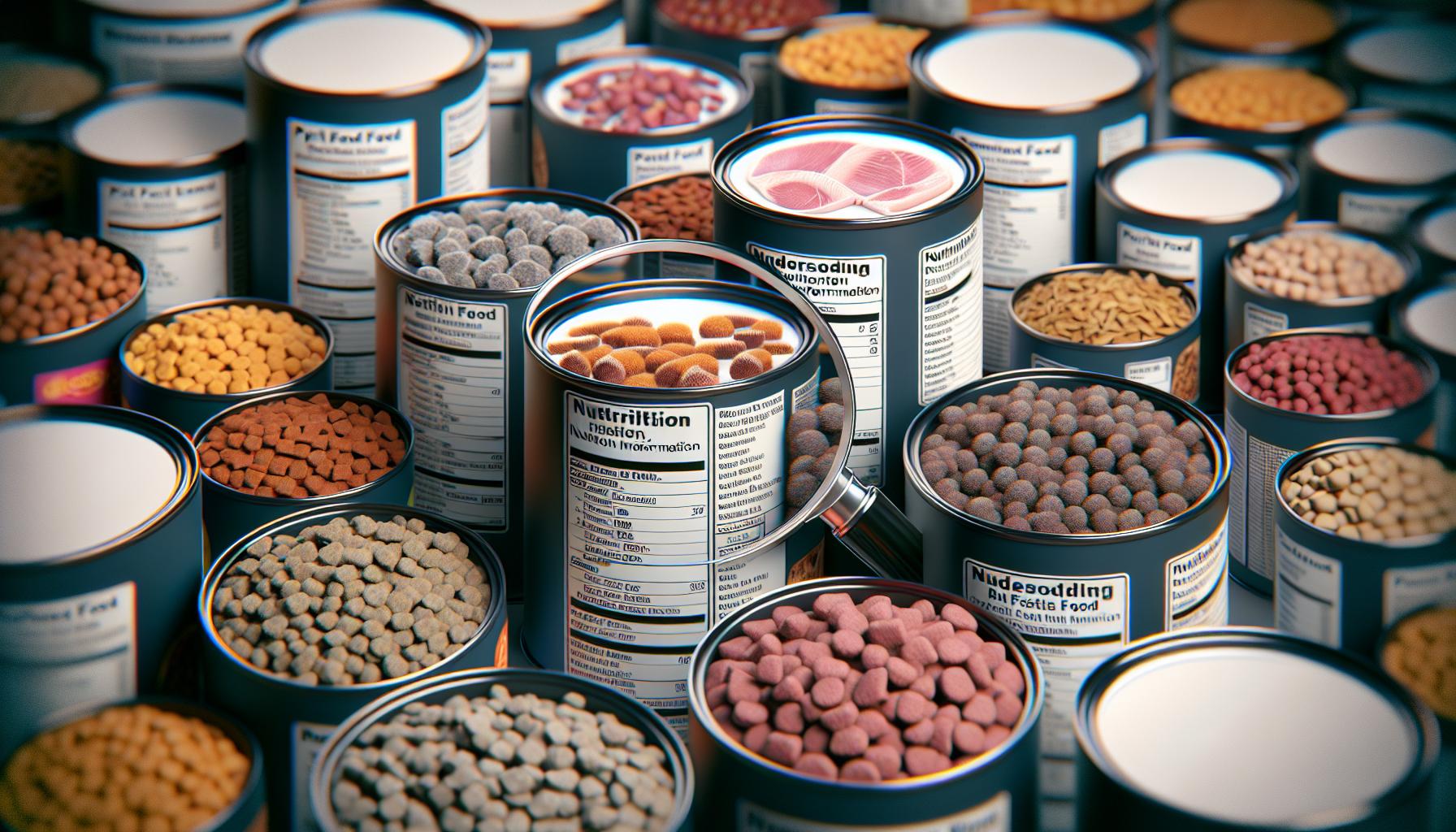
Understanding Pet Food Labels
Navigating through pet food labels can feel overwhelming, but understanding them is crucial for your furry friend’s health. In the United States, pet owners face a multitude of options, with brands and products competing for attention and claiming to be the best. With flashy packaging and enticing advertisements, it’s easy to feel lost in a sea of choices. Yet, many people find themselves asking: what do these labels really mean?
To ensure your pet receives adequate nutrition, it’s essential to know what to examine. Start with the following key components:
- Ingredient List: The quality and order of ingredients can reveal the type of nutrition in the food. Ingredients are listed in descending order by weight, which means the first few ingredients hold significant importance. For instance, if you see “chicken” as the first ingredient, your pet is more likely getting quality protein. Meanwhile, vague terms like “meat by-products” should raise a red flag, as they can refer to lower-quality sources that might not be as beneficial.
- Nutritional Adequacy Statement: This statement is crucial as it indicates if the food meets standards set by the AAFCO (Association of American Feed Control Officials). There are typically two types of statements: one indicating the food is formulated to meet the nutritional levels established by AAFCO, and the other that states it has undergone feeding trials. The latter generally can be considered more reliable.
- Guaranteed Analysis: This section details the minimum and maximum percentages of nutrients such as protein, fat, fiber, and moisture. For example, a cat food labeled as 30% protein can help you determine if it aligns with your cat’s dietary needs, which can vary significantly depending on age, activity level, and overall health.
Besides these elements, it’s also important to be mindful of marketing gimmicks—terms like “natural,” “premium,” and “holistic” aren’t regulated and can mean different things. For instance, “natural” can still include synthetic vitamins, so paying attention to ingredient sourcing is key.
Understanding these elements can make a significant difference in your pet’s diet and overall well-being. Pet food labels reveal much more than brands lead us to believe. By conducting a bit of research, you can unlock the secrets held within these labels and empower yourself to make choices that place your four-legged companions’ health first.
As you read further, you’ll discover how to effectively decode these labels and make informed decisions about your pet’s nutrition. Let’s embark on this journey to improved pet health together!
DIVE DEEPER: Click here to discover the best functional foods for your pets
Deciphering the Ingredients
When approaching the labyrinth of pet food labels, the ingredient list serves as your first compass. This section not only provides insight into what your pet consumes but also suggests the overall quality of the food. Ingredients are sequenced by weight, meaning the first few components are of paramount importance. For example, if “lamb” or “salmon” graces the top of the list, it’s a strong indication that the food is rich in protein sourced from high-quality materials. Conversely, terms like “meat by-products” or “animal meal” may indicate a less desirable composition, potentially including lower-quality scraps that lack nutritional value.
Scrutinizing the ingredient list is essential, but it’s also crucial to understand the overall composition of the formula. Many pet owners might be surprised to learn that familiar sounding ingredients, such as “corn” or “wheat,” can sometimes be fillers. These ingredients can dilute actual protein content and are often less beneficial for your pet’s health, particularly if they have allergies or sensitivities.
Nutritional Standards and Their Importance
Another critical aspect of pet food labels is the Nutritional Adequacy Statement, which informs you whether the food conforms to nutritional standards established by the AAFCO (Association of American Feed Control Officials). This statement can often be found prominently on the packaging and often comes in one of two forms:
- Formulated to meet AAFCO standards: This means that the food has been designed based on pre-established nutritional levels.
- Feeding trials completed: This indicates that the food has undergone rigorous trials, ensuring it meets the nutritional needs of pets over a period of time.
While all pet food must comply with regulations, those with the feeding trial endorsement have an additional layer of validation, giving pet owners more confidence in the product’s reliability. As a discerning pet owner, understanding this distinction empowers you to make educated decisions.
The Promise of Guaranteed Analysis
The Guaranteed Analysis section acts as a nutritional snapshot that lays out the minimum and maximum levels of essential nutrients, including protein, fat, fiber, and moisture. These percentages provide crucial insights into what your pet receives with each meal. However, bear in mind that these figures do not account for the quality of the nutrients; for example, a food labeled with 20% protein may not equate to a higher quality protein source compared to another at merely 18%, thus requiring keen discernment.
The guaranteed analysis is particularly useful for adapting your pet’s diet to their life stage, energy level, and health considerations. Dogs and cats of different breeds, ages, and sizes have varying needs, and matching their diet with appropriate sources can significantly boost their overall health and longevity.
By familiarizing yourself with these aspects of pet food labels, you equip yourself to select the best options for your furry companions, fortified with knowledge about what constitutes a nutritious diet. With the right tools and understanding at your disposal, transforming this daunting task into an easy one is entirely achievable. Your pets deserve nothing but the best, and the power lies in your hands to make these vital choices.
Understanding Pet Food Labels: Decoding Nutrition Information
When it comes to feeding our beloved pets, choosing the right food can feel like navigating a maze of labels, ingredients, and nutritional claims. A deeper understanding of pet food labels is crucial for any pet owner wanting to ensure a healthy diet for their furry companions. Let’s explore some key elements that can help you decode nutrition information effectively.
| Nutrient Components | Importance of Understanding |
|---|---|
| Protein Sources | Understanding where proteins originate can indicate the quality and digestibility of the food. |
| Ingredient List | Learning to read the ingredient list helps differentiate between high-quality real meat sources versus by-products. |
In addition to protein sources and the ingredient list, pet food labels include details about the balance of carbohydrates, fats, and vitamins necessary for your pet’s health. Look for complete and balanced formulations that meet regulatory standards, as this ensures that the diet provides all essential nutrients. Furthermore, understanding caloric content assists in maintaining optimal body weight, preventing obesity and related health issues.
Take a moment to scrutinize claims such as “grain-free” or “natural.” Sometimes, these labels can be misleading. For example, a food labeled as “grain-free” may replace grains with other fillers that could still negatively affect certain pets. Therefore, recognizing what suits your pet’s specific dietary needs based on breed, age, and health is essential in making informed decisions about their nutrition.
Ultimately, becoming proficient at reading pet food labels not only empowers pet owners but also enhances the well-being of pets as they thrive on a balanced, nutritious diet. Being informed is the first step towards providing the best for your furry friend.
FOR MORE INSIGHTS: Click here for practical strategies
Understanding the Role of Additives
Beyond the essential nutrients, pet food labels often contain a plethora of additives that may raise eyebrows among conscientious pet owners. These additives can be broken down into two primary categories: preservatives and flavor enhancers. Preservatives, such as BHT, BHA, and ethoxyquin, extend shelf life but may come with health concerns. As a responsible pet owner, scrutinizing these ingredients can help you navigate the balance between convenience and potential allergens or harmful substances.
Natural preservatives, like mixed tocopherols and ascorbic acid, are more favorable, offering protection against oxidative spoilage without compromising your pet’s health. Conversely, synthetic preservatives may not only provoke allergic reactions but have also been linked to long-term health issues in pets. Staying informed about these ingredients positions you as a proactive caregiver, aware of what truly benefits your pet.
Flavor enhancers enhance the overall palatability of food, making it more appealing to your pet. While they may serve to entice picky eaters, it’s crucial to ensure that such additives are of high quality. Ingredients like chicken fat or fish oil can provide both flavor and nutritional benefits, whereas artificial flavorings can lead to health concerns that warrant caution. Opting for brands that prioritize wholesome ingredients and transparency can significantly improve your pet’s dining experience.
The Impact of Life Stage and Special Diets
Understanding the life stage of your pet is crucial in selecting an appropriate diet, and many manufacturers clearly label their products for specific age groups, such as puppy, adult, or senior. Each stage comes with unique nutritional requirements. For instance, puppy formulas often contain higher protein levels to support growth and development, while senior formulas may be lower in calories to prevent unwanted weight gain.
Moreover, some pets may have specific health concerns that necessitate a tailored diet. A pet with food allergies might thrive on a hypoallergenic diet, while those with kidney or liver issues could require a specialized formula that minimizes specific nutrients like protein or phosphorus. Always consult your veterinarian for guidance on selecting diets tailored to your pet’s needs. A well-balanced diet can significantly improve their quality and length of life, making informed choices even more paramount.
The Influence of Brand Transparency
The credibility of a pet food brand can greatly influence your purchasing decisions. Look for companies that provide detailed information about sourcing, manufacturing processes, and ingredient origin. Many premium brands now include detailed blogs and transparency reports that disclose the origin of ingredients and the nutritional philosophy behind their formulations. An appetite for knowledge can yield a wealth of information regarding ethical sourcing practices and other health benefits.
Furthermore, certifications are another testament to a brand’s commitment to quality. Some brands may display certifications from reputable organizations, such as the Pet Food Institute or certified organic sources. These markers often indicate adherence to high manufacturing standards and quality assurance protocols.
In essence, by decoding pet food labels in detail—focusing on ingredients, nutritional standards, additives, specialized diets, and brand transparency—you arm yourself with the knowledge necessary to nourish your pet effectively. Each choice at the store translates to a step toward a healthier, happier life for your furry friends, making the task of selecting the right food not just essential, but a rewarding experience as well.
DISCOVER MORE: Click here to learn about the benefits of environmental enrichment
Conclusion: Making Informed Choices for Your Pet
In navigating the complex landscape of pet food labels, it’s essential to recognize the vital role that informed choices play in the health and happiness of your pet. By understanding the components of nutrition information, including the significance of high-quality ingredients, associated additives, and life stage considerations, you empower yourself to make decisions that align with your pet’s specific needs.
Brand transparency further enriches your understanding, allowing you to identify quality products rooted in ethical practices. By seeking brands that prioritize clear communication about their ingredient sourcing and manufacturing processes, you can feel confident in the food you select for your furry companion.
As you delve deeper into the intricacies of pet food labels, remember that each purchase affects your pet’s health and well-being. A well-balanced diet tailored to their life stage and health status can lead to a longer, more vibrant life. Engage with veterinarians to explore specialized diets if your pet has unique health concerns.
Ultimately, the journey toward selecting nutritious pet food is not merely a chore; it is an opportunity to foster a stronger bond with your pet through informed feeding practices. Equip yourself with knowledge, as each decision at the store translates to a step toward a fulfilling life for your beloved companion. Your dedication to understanding pet food labels is yet another reflection of your commitment to their well-being.